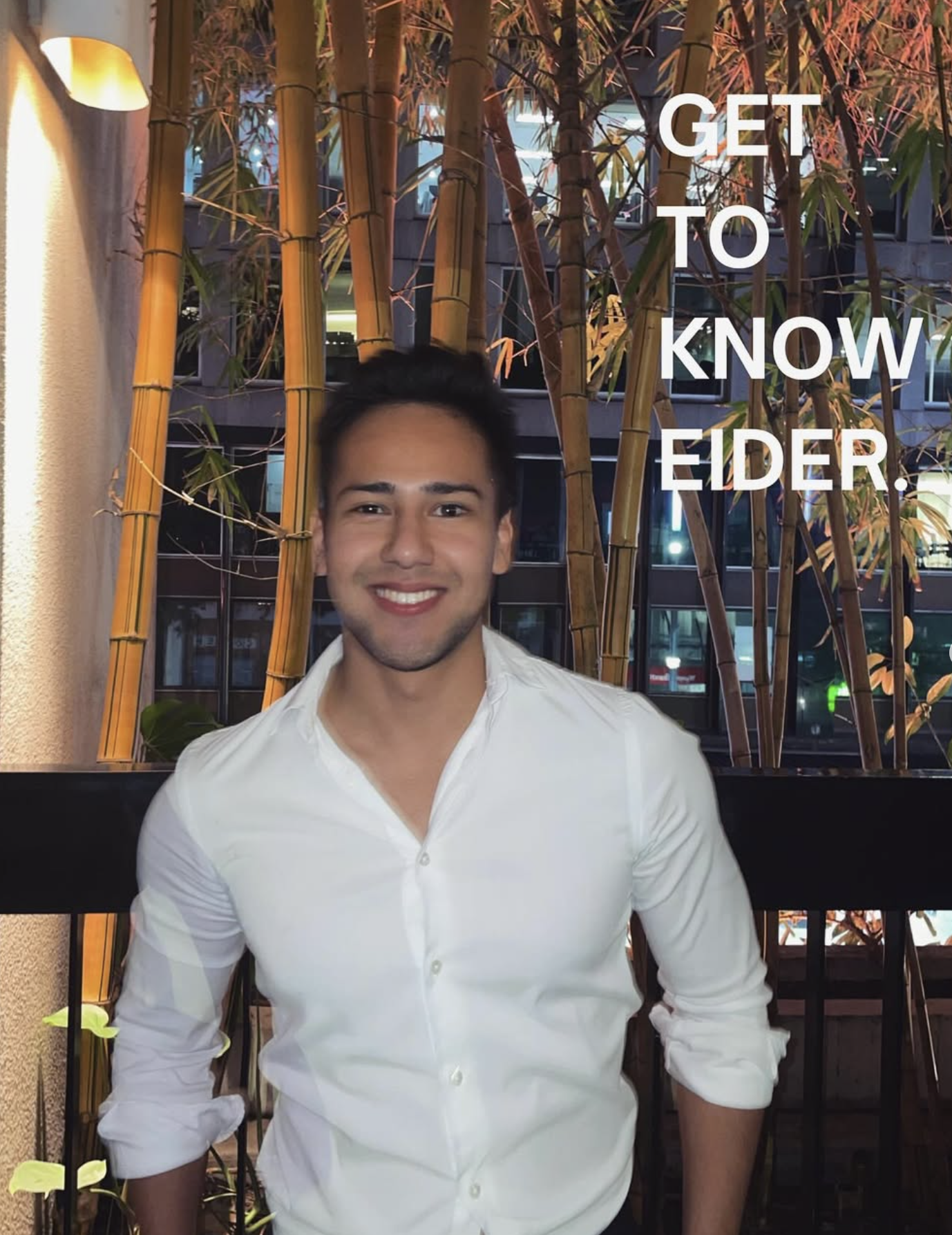
For Architecture & Interior Design
Win The Projects Your Studio Deserves, Before The First Meeting
A 6-week editorial website, visual identity and feature, built to make your studio the obvious choice from the moment a prospect finds you.
CLICK BELOW TO WATCH FIRST!
Next Step: Answer a Few Questions to See If You Qualify
Only accepting 5 studios per month
2 spots left for August
Last Updated 7th July
How It Works...
The Studio Profile™
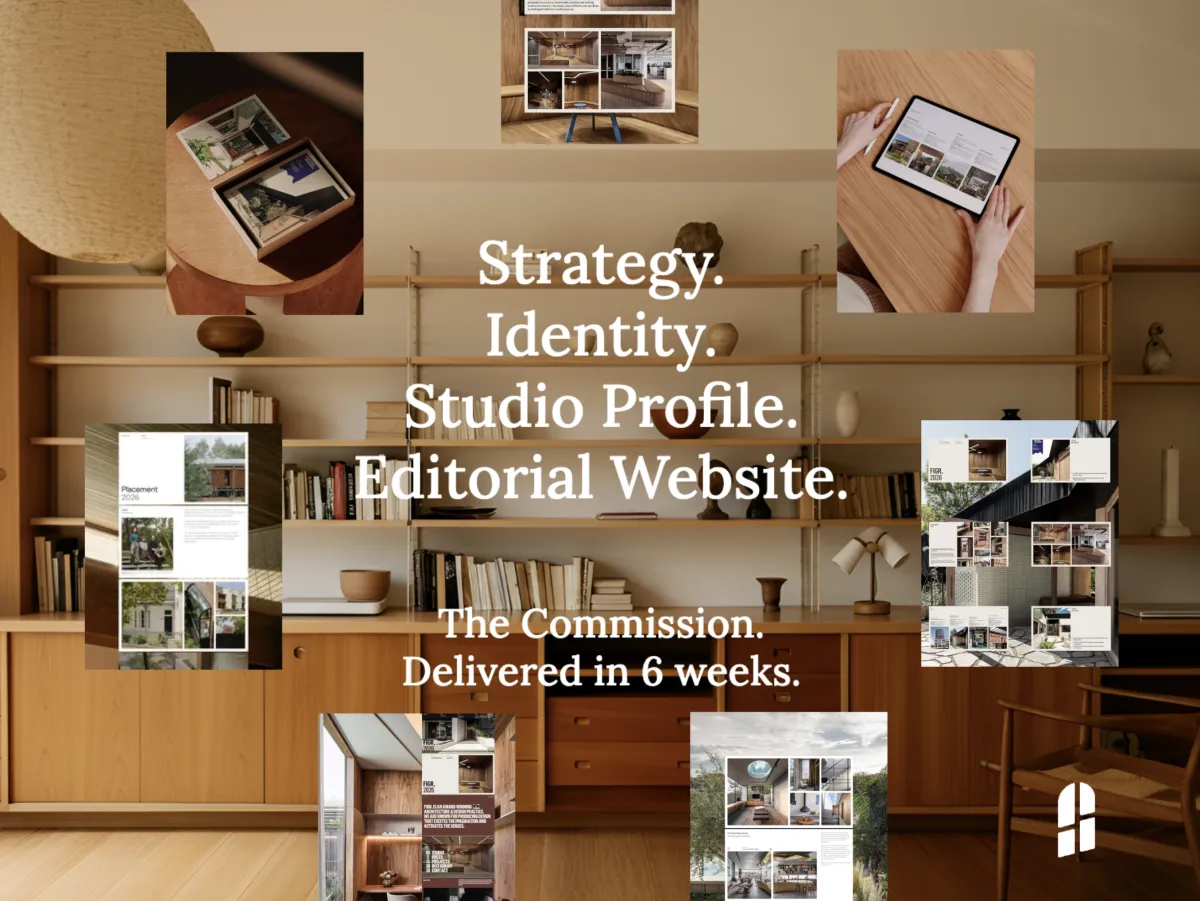
A complete editorial presence built around the quality of your work: strategy, identity, website, and feature. Live in 6 weeks.
Website Strategy
Editorial Visual Identity
Photography Direction
Editorial Website
ArchiWeb Feature
3 Months Of Support
The 90 days after launch where we make sure it's working, your team is confident, and you're set up to grow without us.
Launch Support Period
Website Stability Check
Studio Presentation Review
CMS Training
Ongoing Support Options
STILL NOT SURE?
Frequently Asked Questions
What does ArchiWeb actually deliver?
A complete editorial presence for your studio. That means website strategy, editorial visual identity, the website itself, a Studio Profile™ to present your studio and capabilities offline, all built around the standard your work already operates at.
Everything is delivered in 6 weeks.
Is this a website build, a rebrand, or both?
Both, scoped tightly. We don't do a full brand overhaul.
What we build is a focused editorial visual identity, typefaces, colour, tone of voice, specifically designed to underpin the website and the Studio Profile™.
The result feels like a complete rethink without the 6-month timeline of a traditional rebrand.
What is the Studio Profile™?
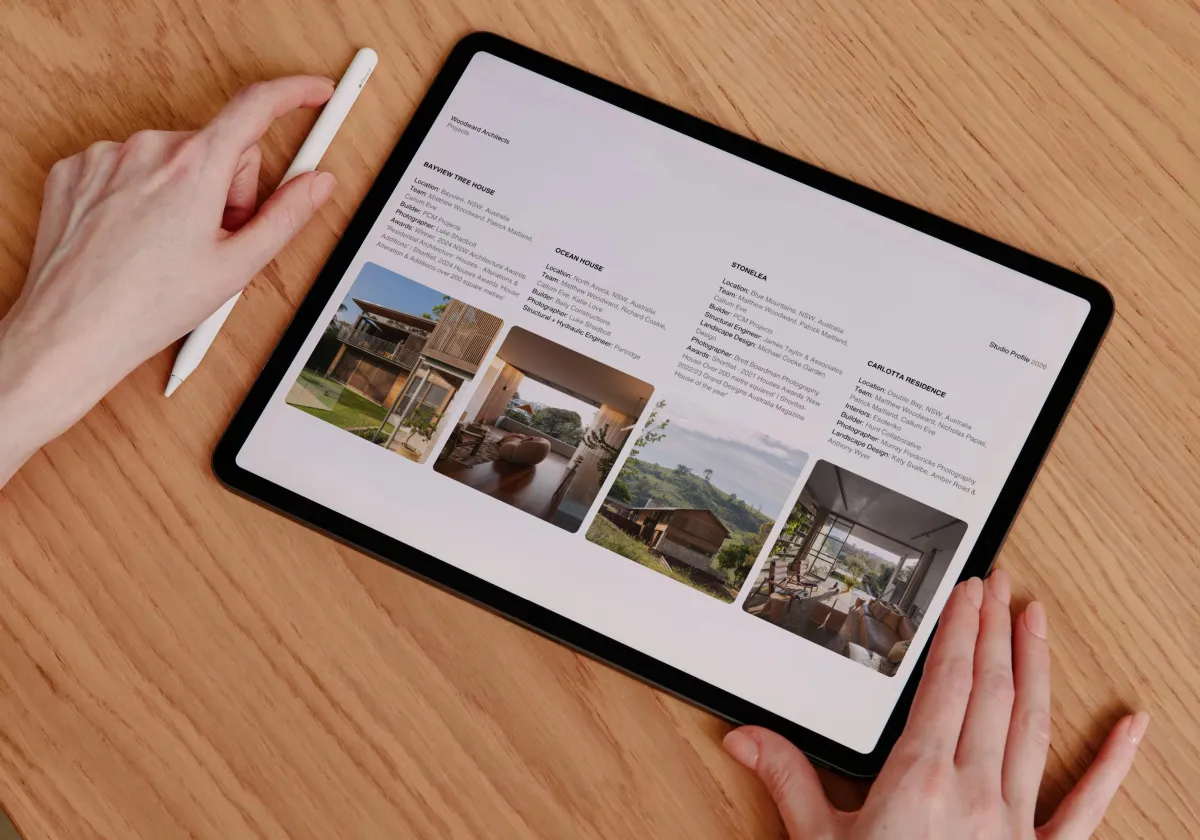
The Studio Profile™ is a designed credentials document built from the same visual identity as your website. It's the thing you send before a pitch meeting, attach to an award submission, or hand to a developer or property group before they've agreed to anything.
Most studios are currently doing this with a generic PDF or a Word document. This replaces that.
Who is this for?
Architecture and Interior Design studios in Australia who know their current online presence undersells the quality of their work.
If you're pre-revenue, looking for a cheap template refresh, or expect results without being available to collaborate, ArchiWeb is not the right fit.
Do you work with studios outside Sydney or Melbourne?
Yes. We work with studios across Australia.
The process is designed to run remotely without losing anything in translation.
What platform do you build on?
We cover this on the discovery call based on your studio's specific needs.
What we don't do is lock you into a platform you can't manage yourself after handover.
What does the 6 weeks actually look like?
Week 1 is strategy. We map your positioning, audience, and editorial direction before anything is designed.
Weeks 2 and 3 are identity and design.
Weeks 4 and 5 are development and refinement.
Week 6 is launch and handover.
You're involved at key decision points, not every step.
How much of our time does this require?
Less than you think. The process is designed around the reality that studio principals are running projects, managing teams, and pitching for work simultaneously.
You'll need to be available for the strategy session, a design review, and the final walkthrough. Outside of that, we work around you.
Can we keep our existing domain?
Yes.
Who owns the files and the CMS when we're done?
You do. Everything we build belongs to your studio on handover.
No ongoing licensing fees, no dependency on us to make basic changes.
What happens after the website goes live?
The 90-day support period begins at launch. This covers website stability, CMS training so your team can manage content independently, a Studio Profile review once it's been used in real pitches, and a check-in on how the site is performing.
After 90 days, ongoing support options are available if needed.
What does CMS training actually involve?
A walkthrough of how to update your website without a developer. Adding new projects, updating team pages, changing text.
The goal is that you never need to call us to make a basic content change.
What kind of studios have you worked with?
Architecture and design studios across Australia with established portfolios and principals who rely on referrals.
Studios at the point where their work has outgrown their online presence.
How quickly will we see results after launch?
This depends on how you use it. Studios that immediately update their email signatures, send the Studio Profile into active pitches, and share the website with their referral network see faster movement.
The website doesn't generate leads on its own. It converts the ones you're already generating but losing to studios that look more credible online.
We already have a website. Why would we need this?
Most studios that come to us have a website. The question isn't whether one exists. It's whether it's doing any work.
If you've lost a commission to a studio with weaker work but a stronger online presence, or if a potential client has gone quiet after looking you up, the website is part of the problem.
Having one is not the same as having one that performs
We get enough work through referrals. Why bother?
Referrals plateau. Every studio principal who has been through a quiet period knows this.
A referral sends someone to look you up. What they find either confirms the referral or creates doubt.
The studio that loses that commission isn't the one without talent. It's the one whose website didn't hold up under scrutiny.
We've worked with agencies before and it didn't go well.
This comes up often. The most common version is a studio spent significant money with a generalist agency, got a website that looked nothing like their work, and had to manage the process themselves anyway.
ArchiWeb works exclusively with architecture studios. The brief, the visual language, the way we structure a credentials document, none of it needs to be explained from scratch.
How is this different from hiring a freelance web designer?
A freelance web designer builds what you brief them to build. We start with strategy, what the website needs to do, who it needs to speak to, and how your studio needs to be positioned before a single page is designed.
The visual identity, the Studio Profile, the photography direction, a freelancer doesn't typically offer any of that.
And a freelancer doesn't have a 90-day support period built into the engagement.
We don't have time for this right now.
The process is designed around a busy principal. If you have time for one strategy session, one design review, and one final walkthrough over 6 weeks, you have enough time.
The alternative, continuing to lose commissions to studios that look more credible online, also costs time. It just costs it invisibly.
Our photographer hasn't shot the new projects yet.
We can work with what you have and build the photography direction into the brief for the next shoot.
The direction document we provide means every image taken from that point forward is directed for the website, not just the portfolio.
We're not sure our portfolio is ready.
This is one of the most common things we hear, and it's almost never true.
The studios that feel least ready are often the ones whose work most needs to be seen. The website strategy session exists precisely to identify which projects to lead with and how to frame them for the audience that commissions work at your level.
We need to discuss this with our business partner first.
Completely reasonable. If your partner is involved in the decision, bring them to the discovery call.
It saves you playing messenger between us and means both of you can ask the questions that matter. Just let us know when you book and we'll make sure the session covers what both of you need.
Can't we just update what we have?
Sometimes yes. If your existing website has strong bones and the issue is purely content, updating it may be sufficient. We'll tell you that honestly on the discovery call if that's the case.
What we find more often is that the issues are structural. The positioning is unclear, the visual language is inconsistent, the portfolio hierarchy doesn't match how clients actually evaluate a studio. Those aren't problems you can fix by swapping out images.
What we won't do is sell you a full build when a refresh would do the job.
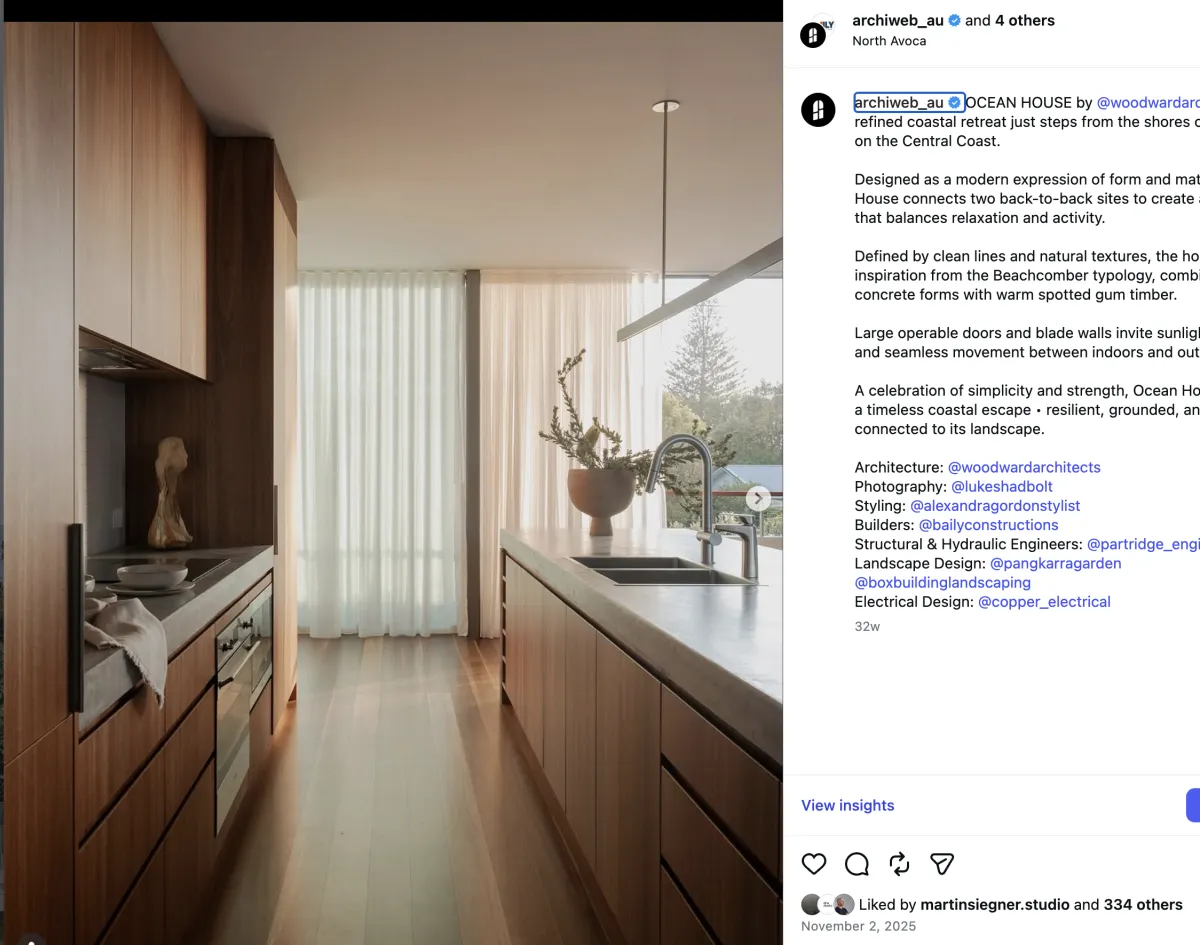
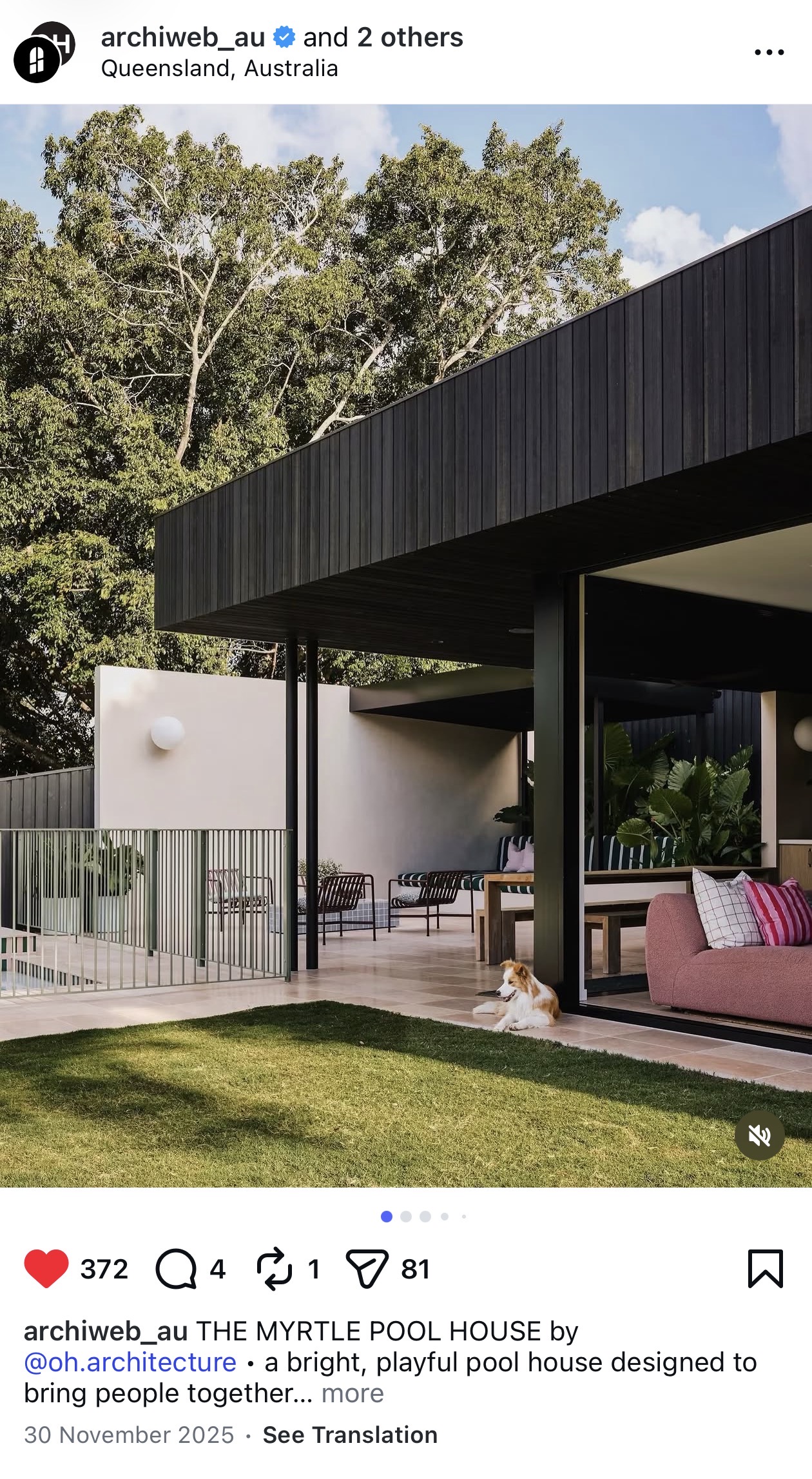
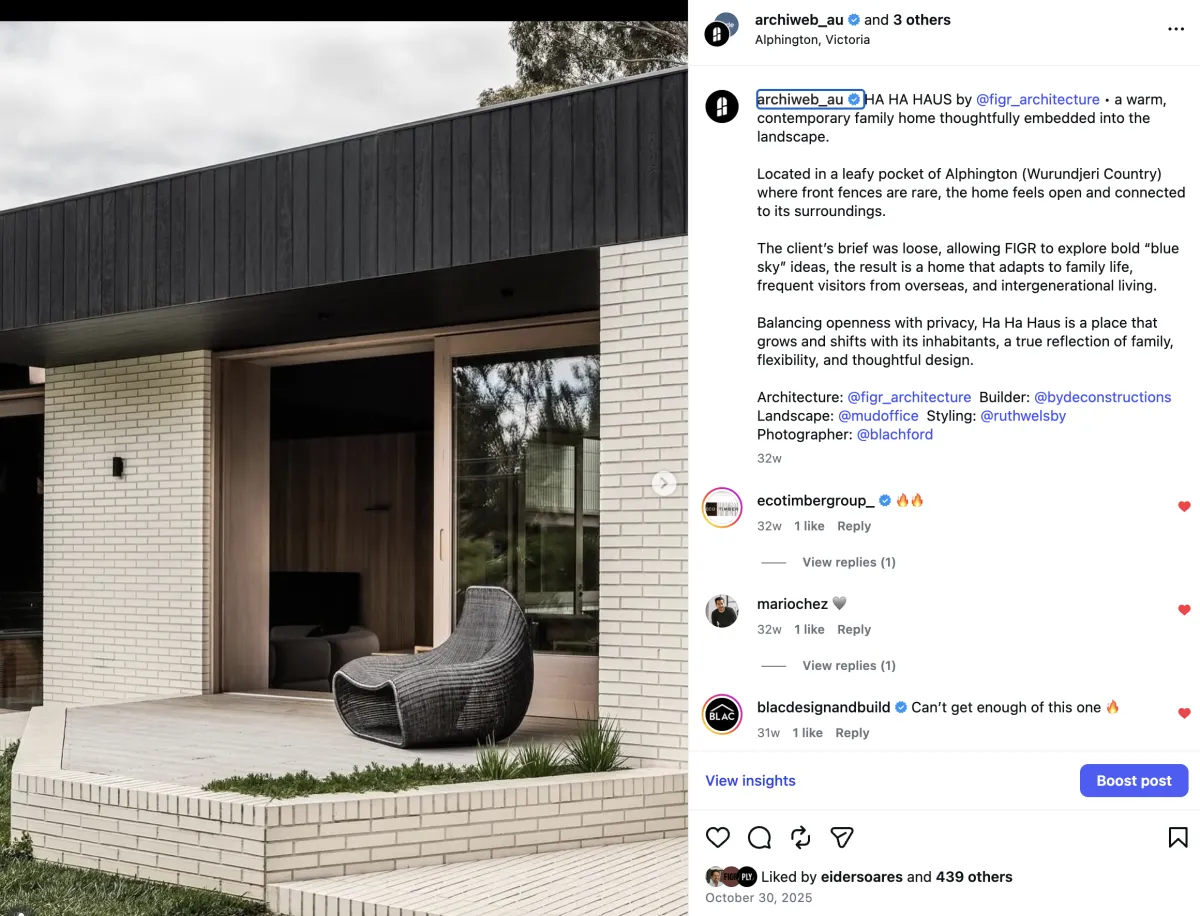
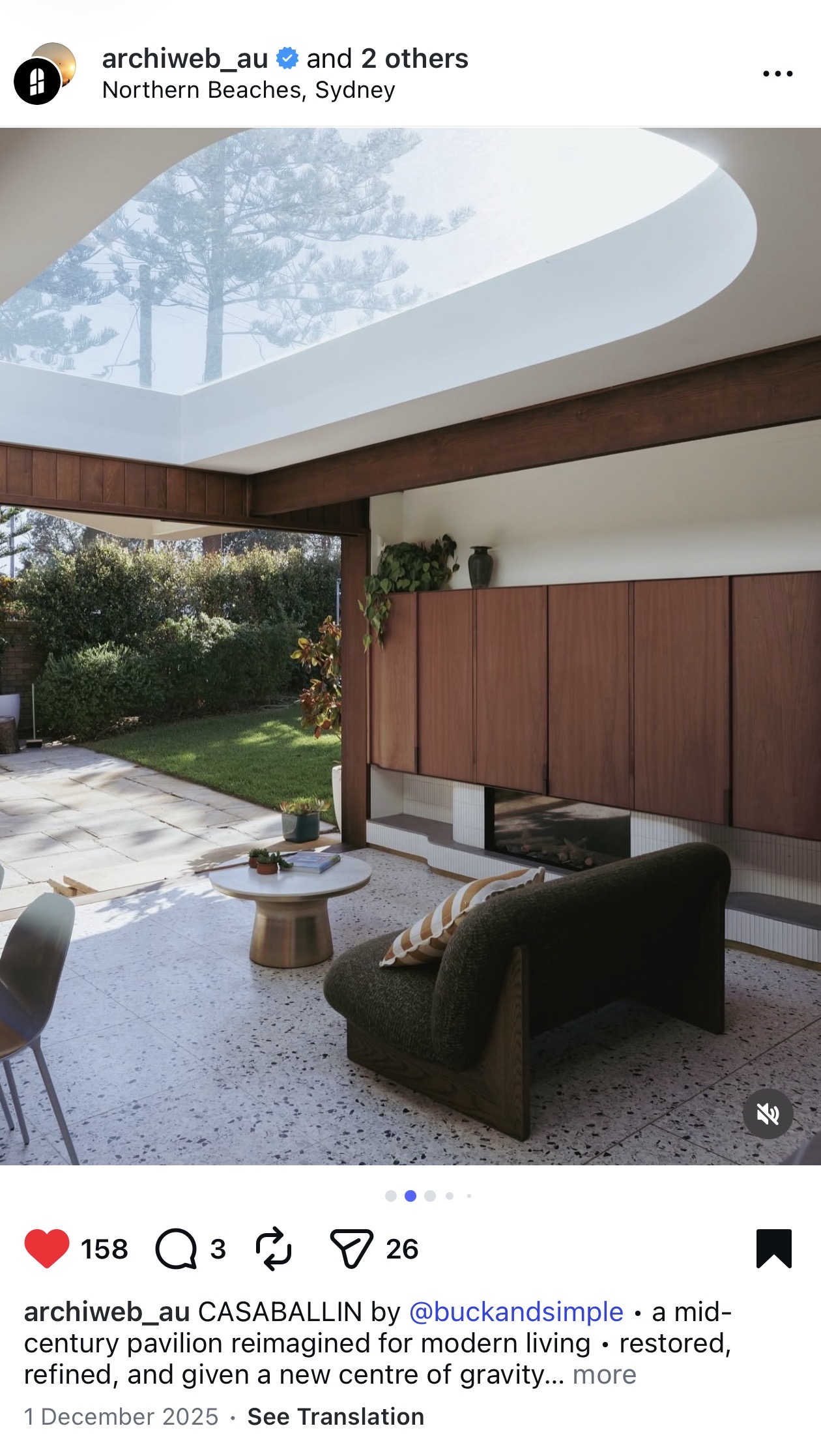
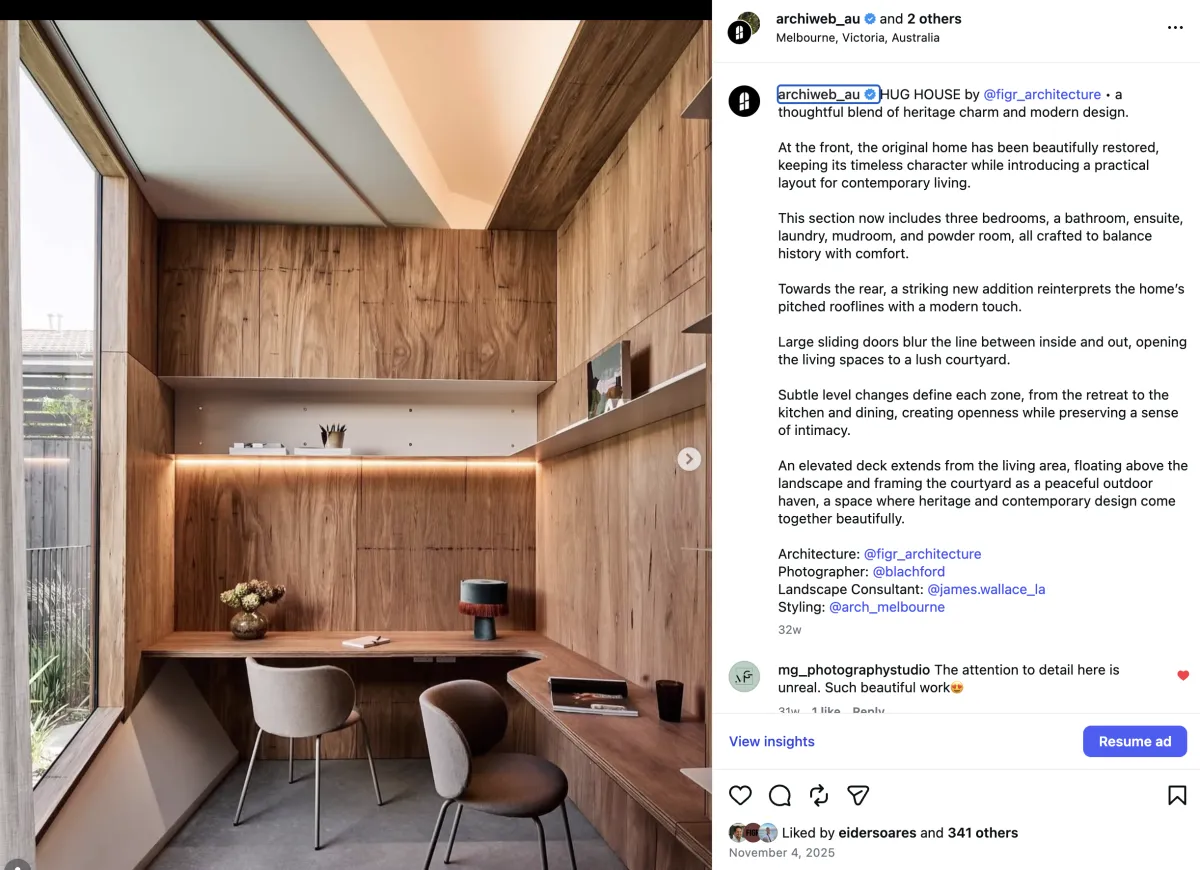
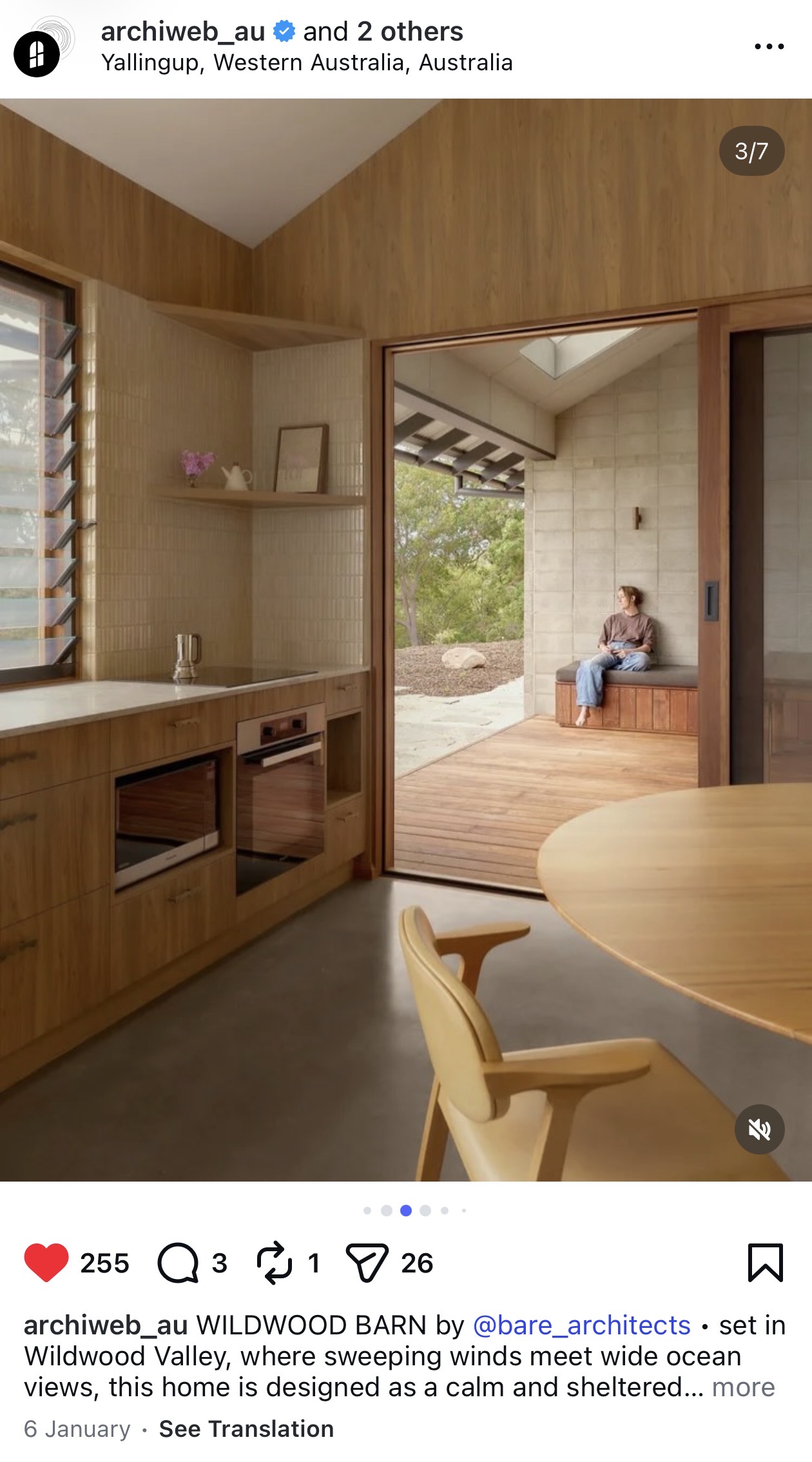
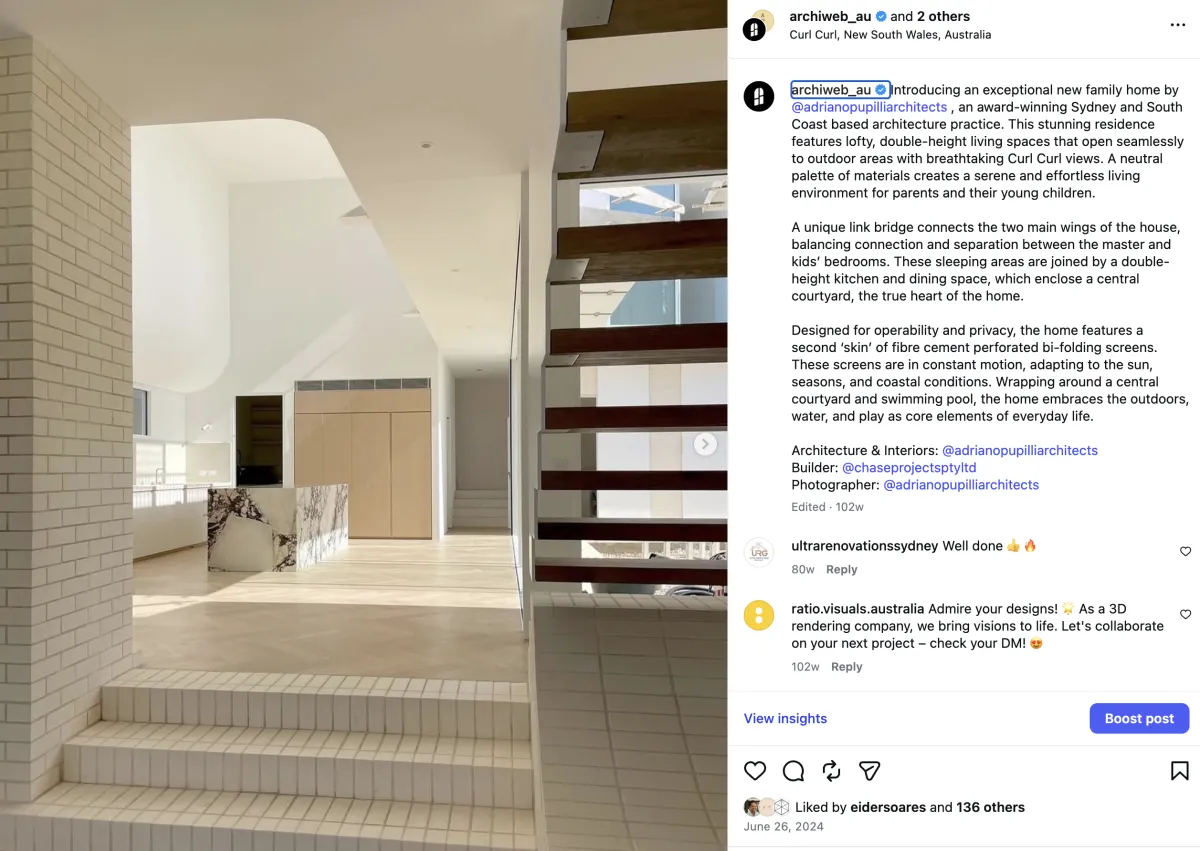
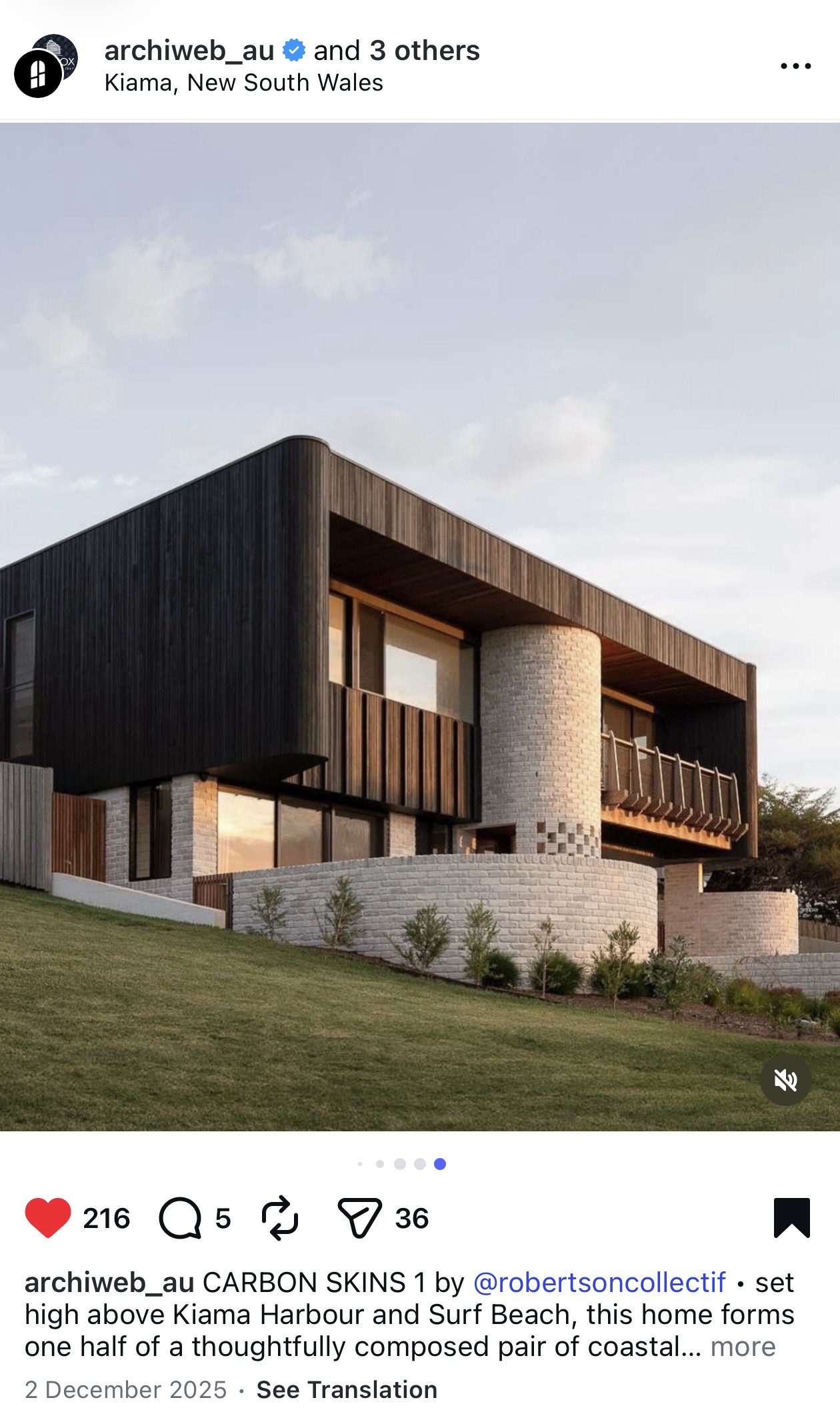
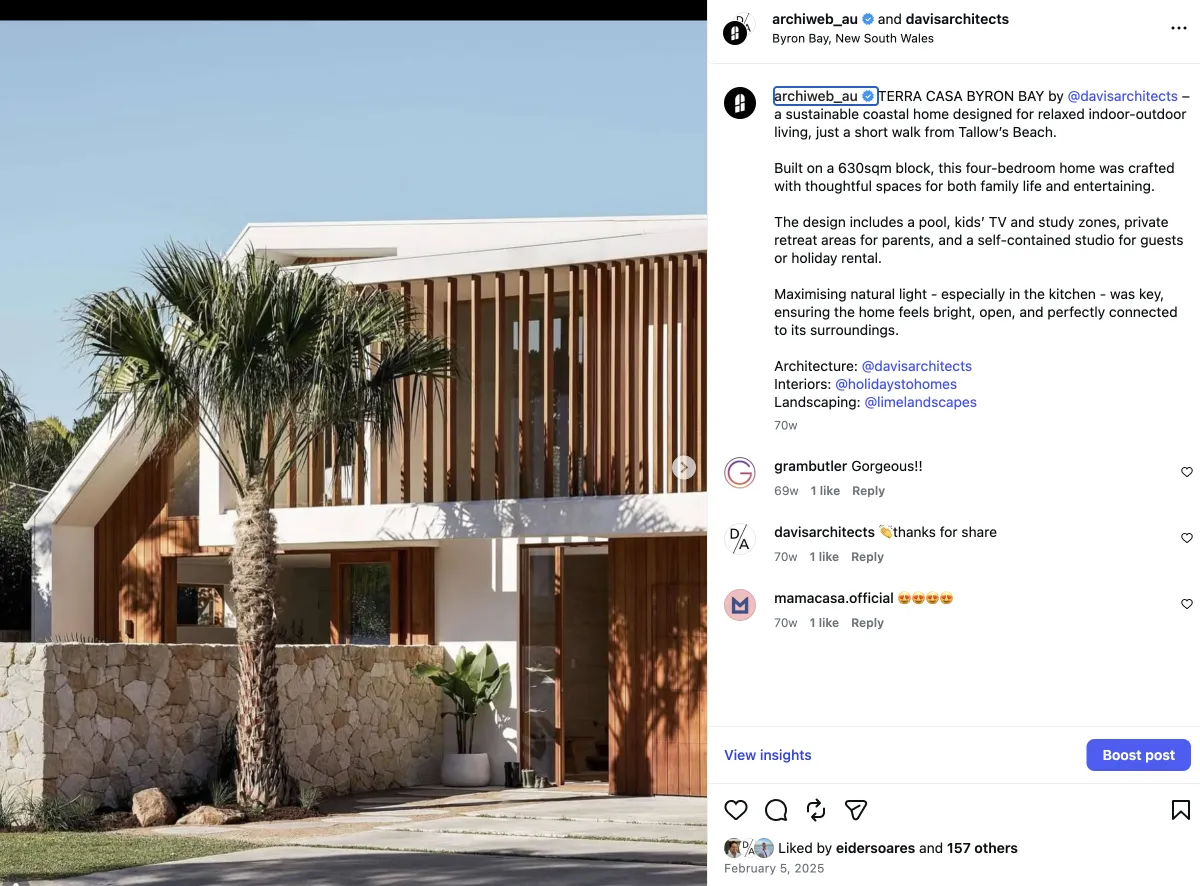
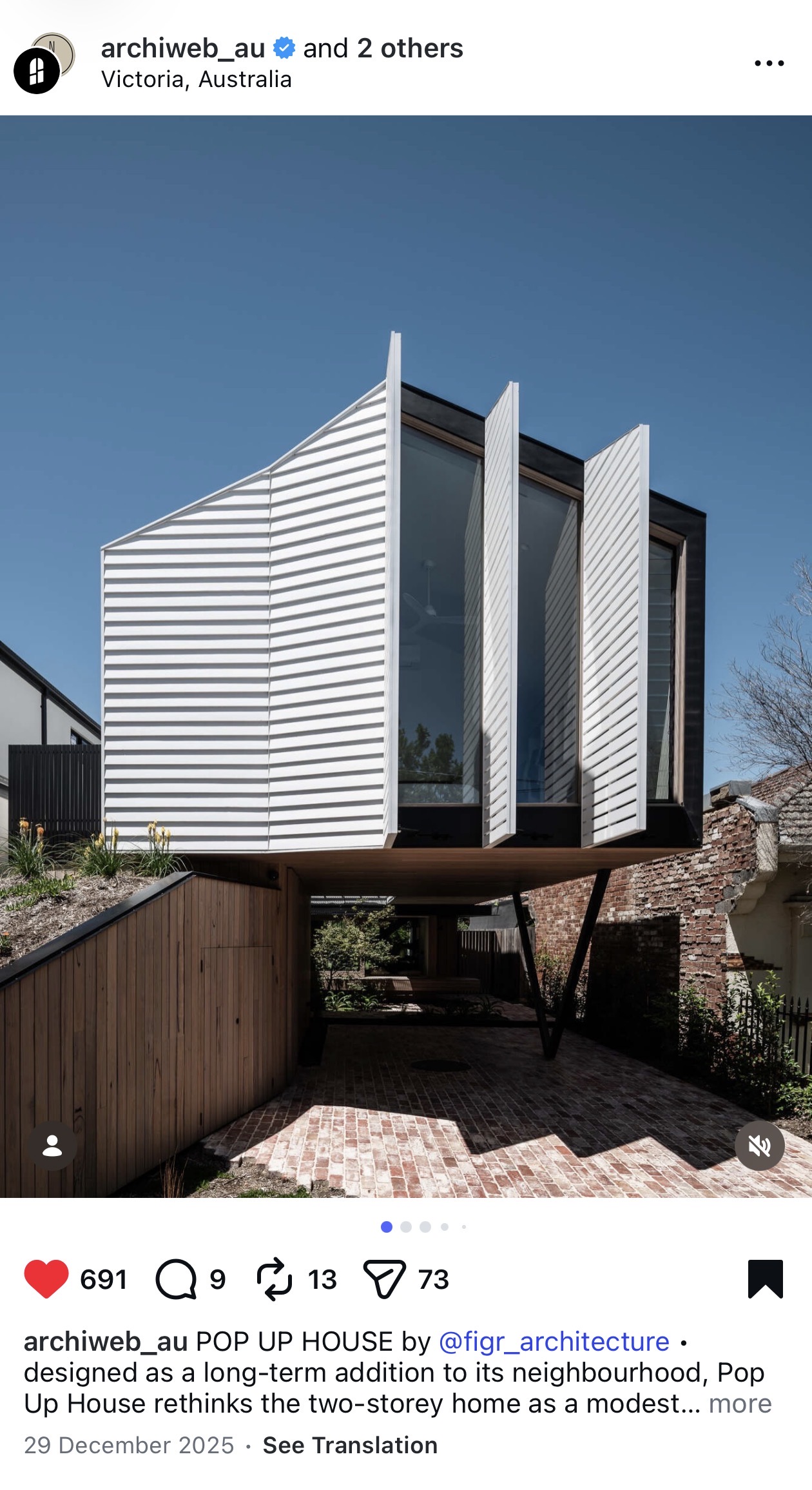
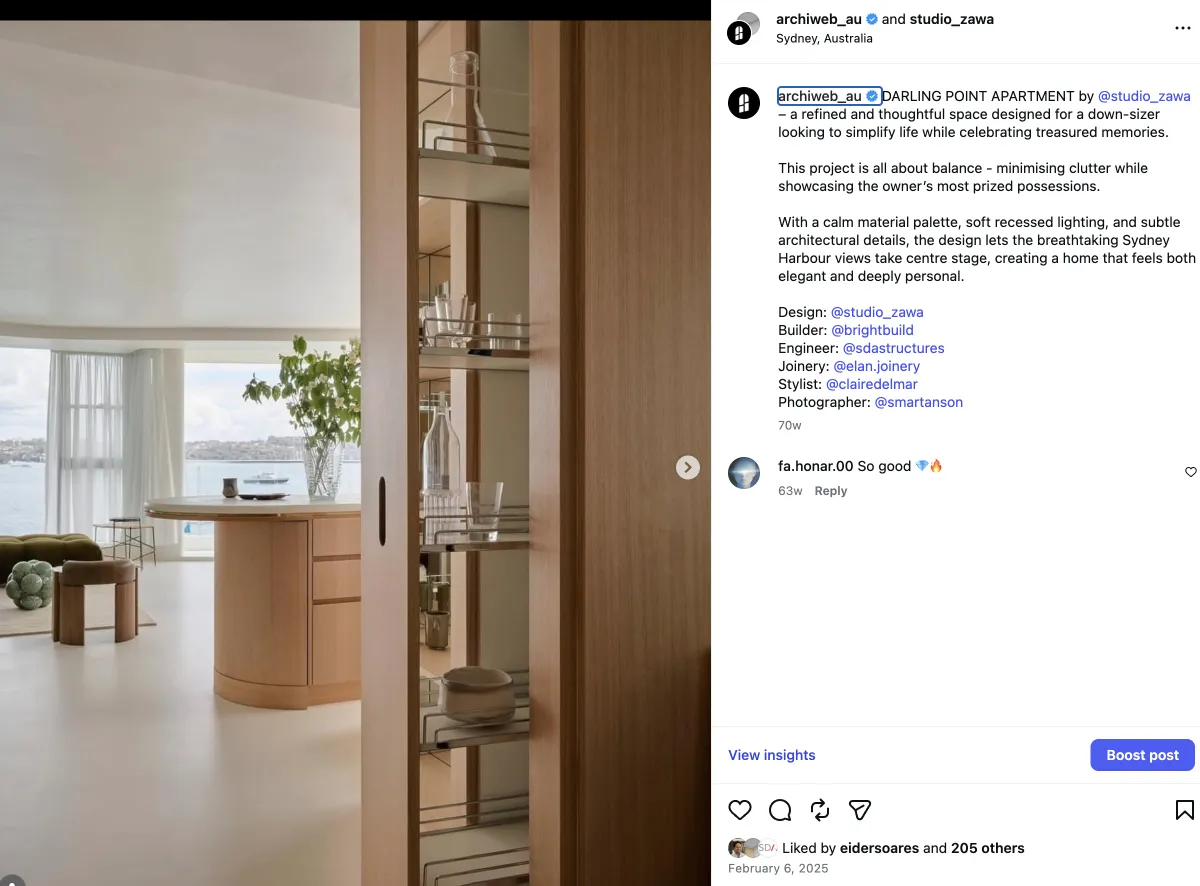
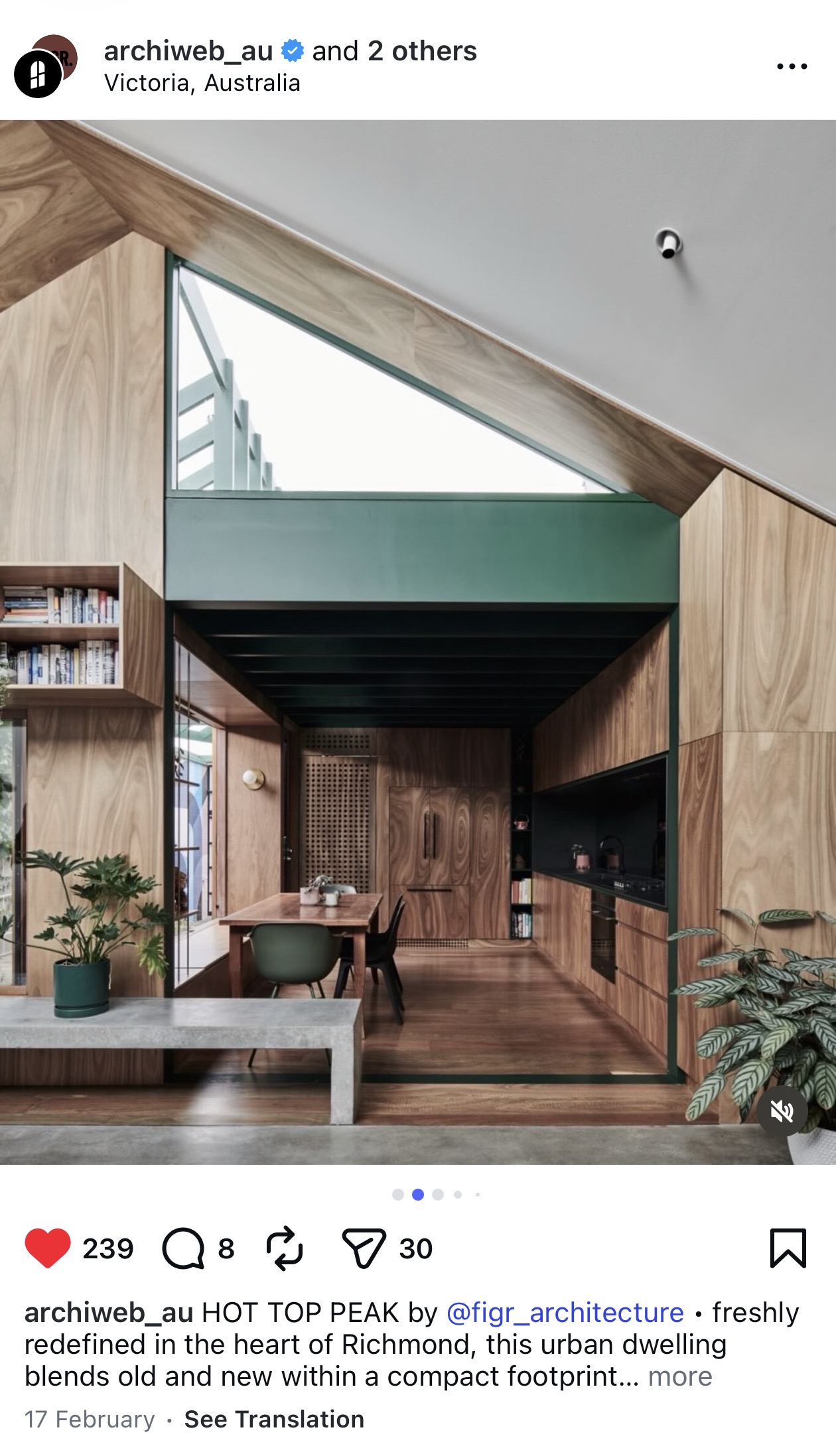
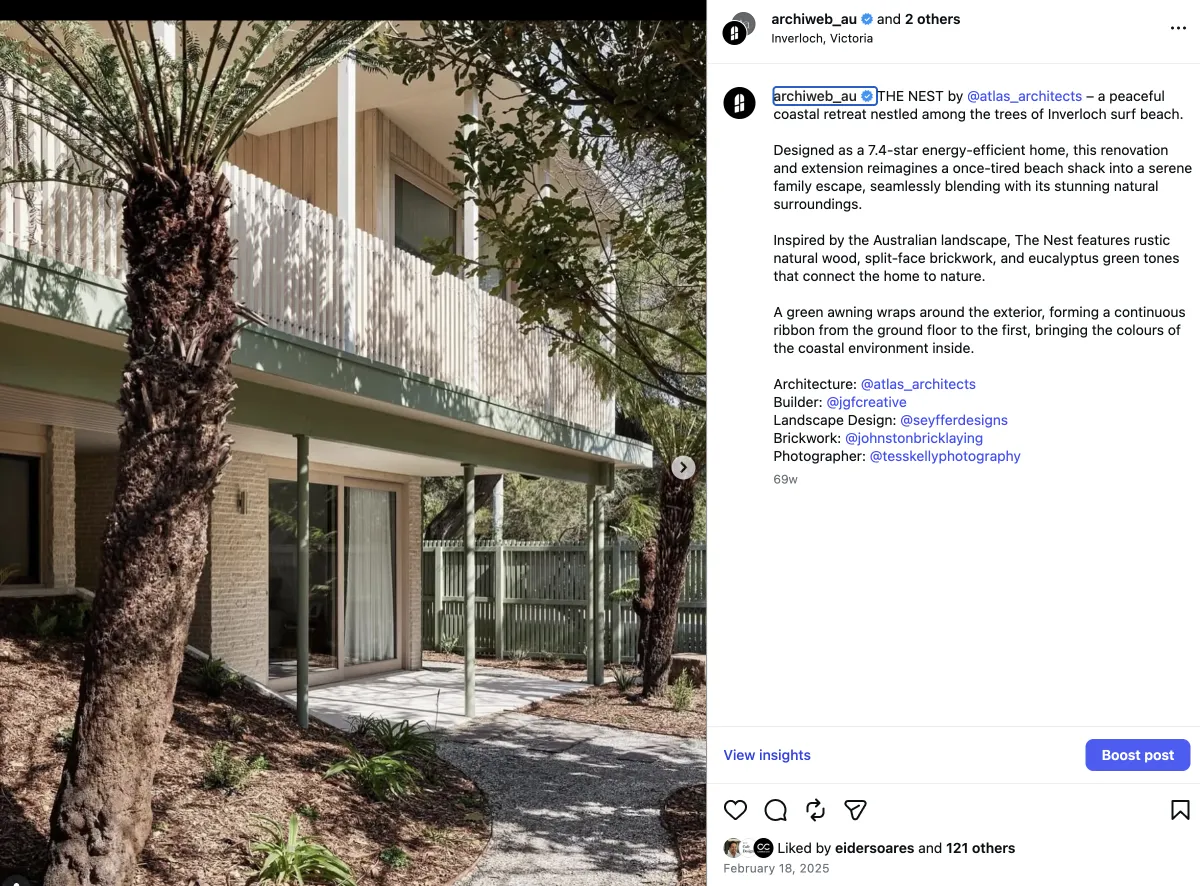
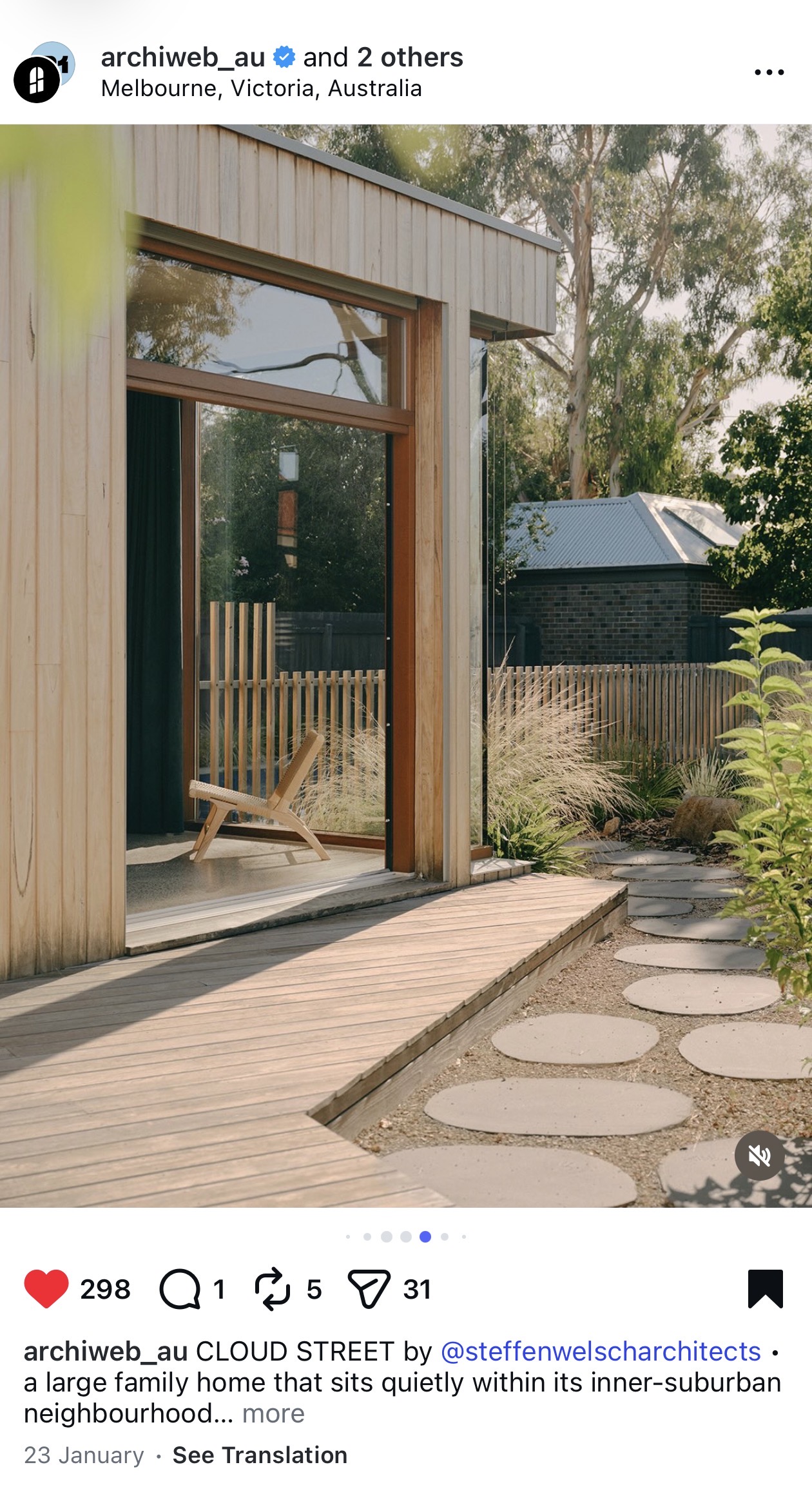
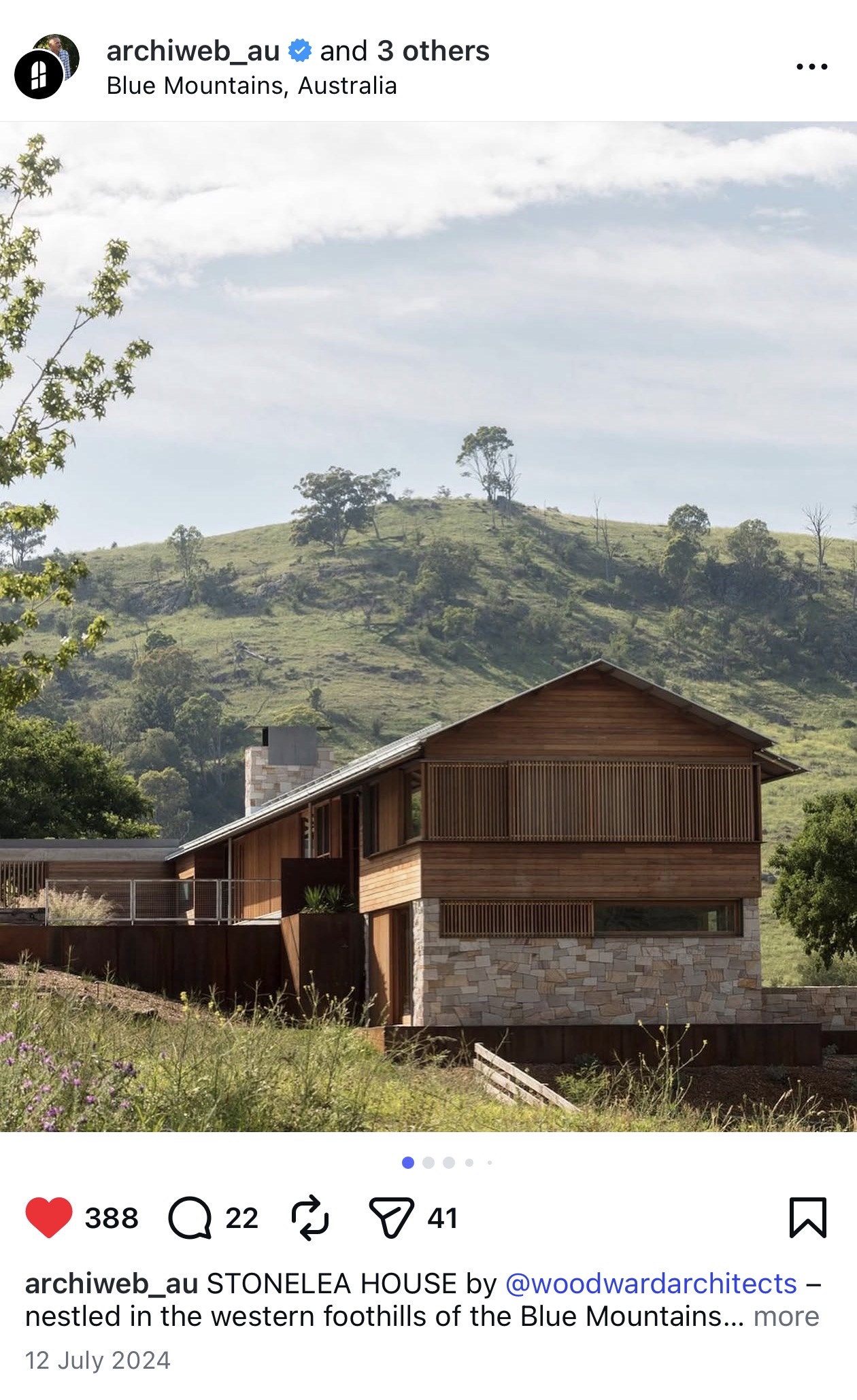
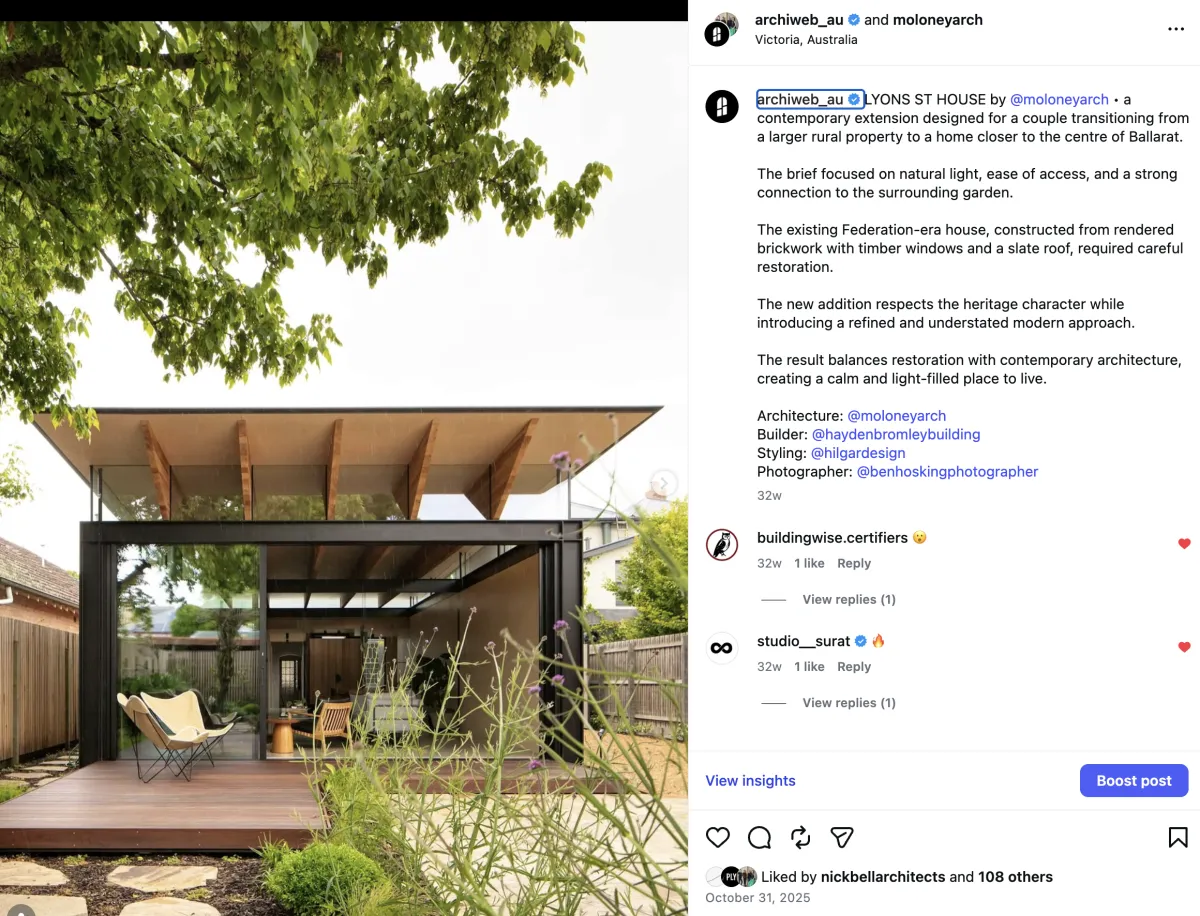
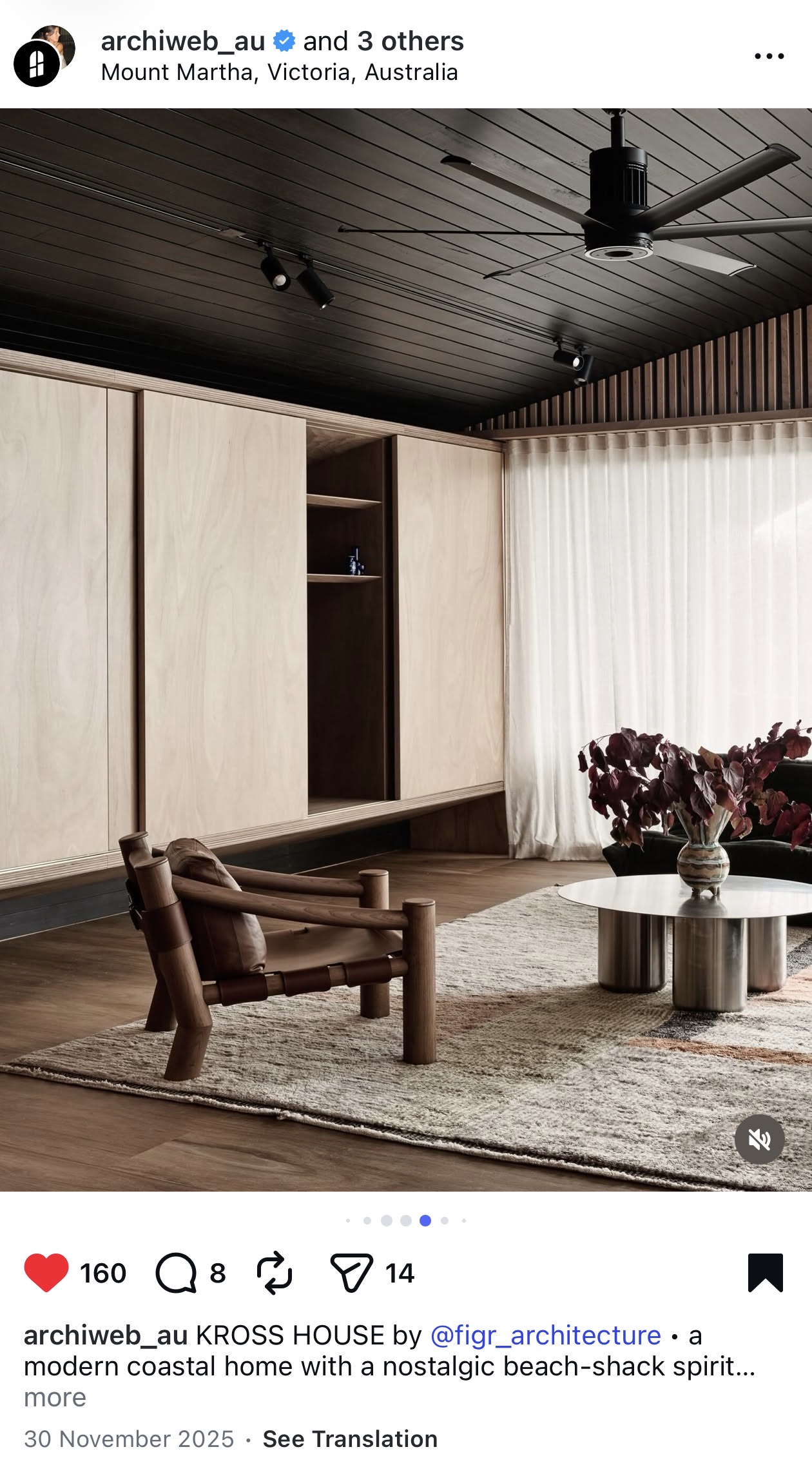
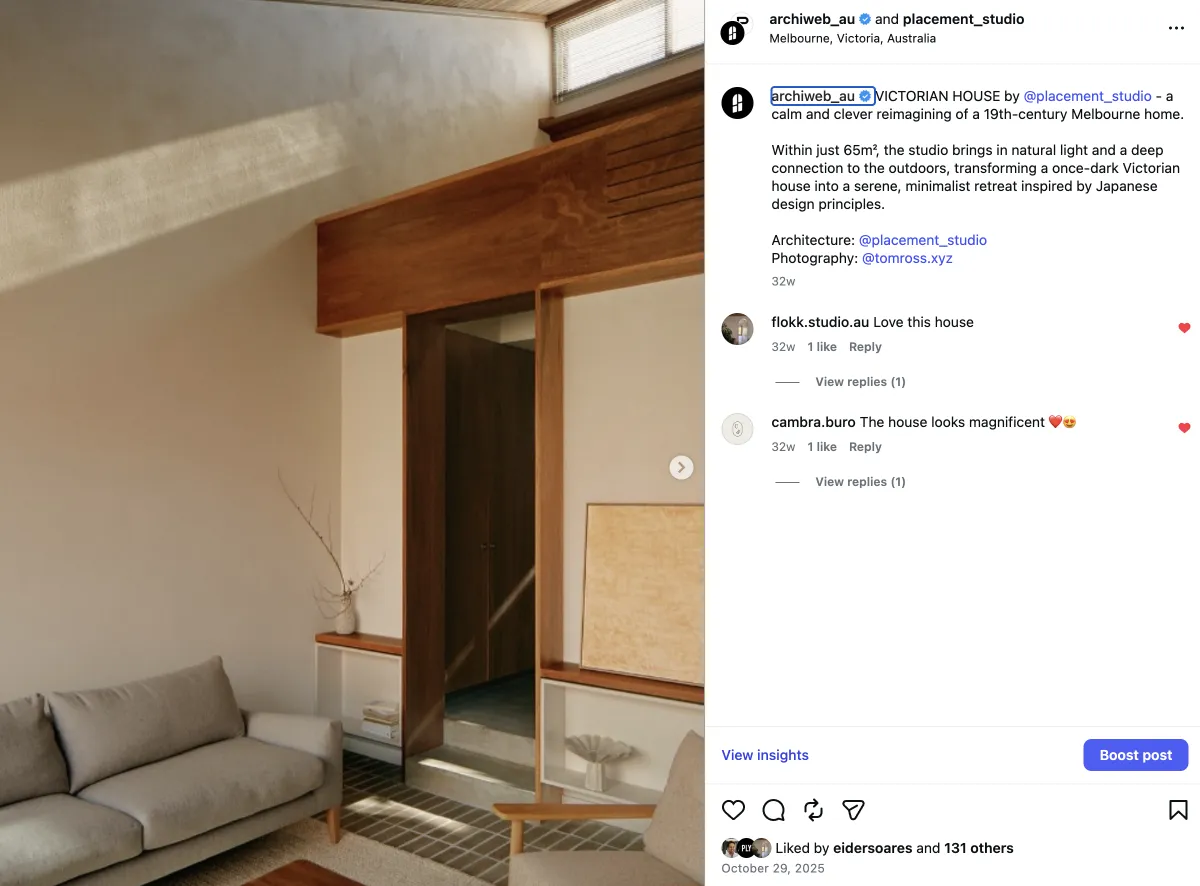
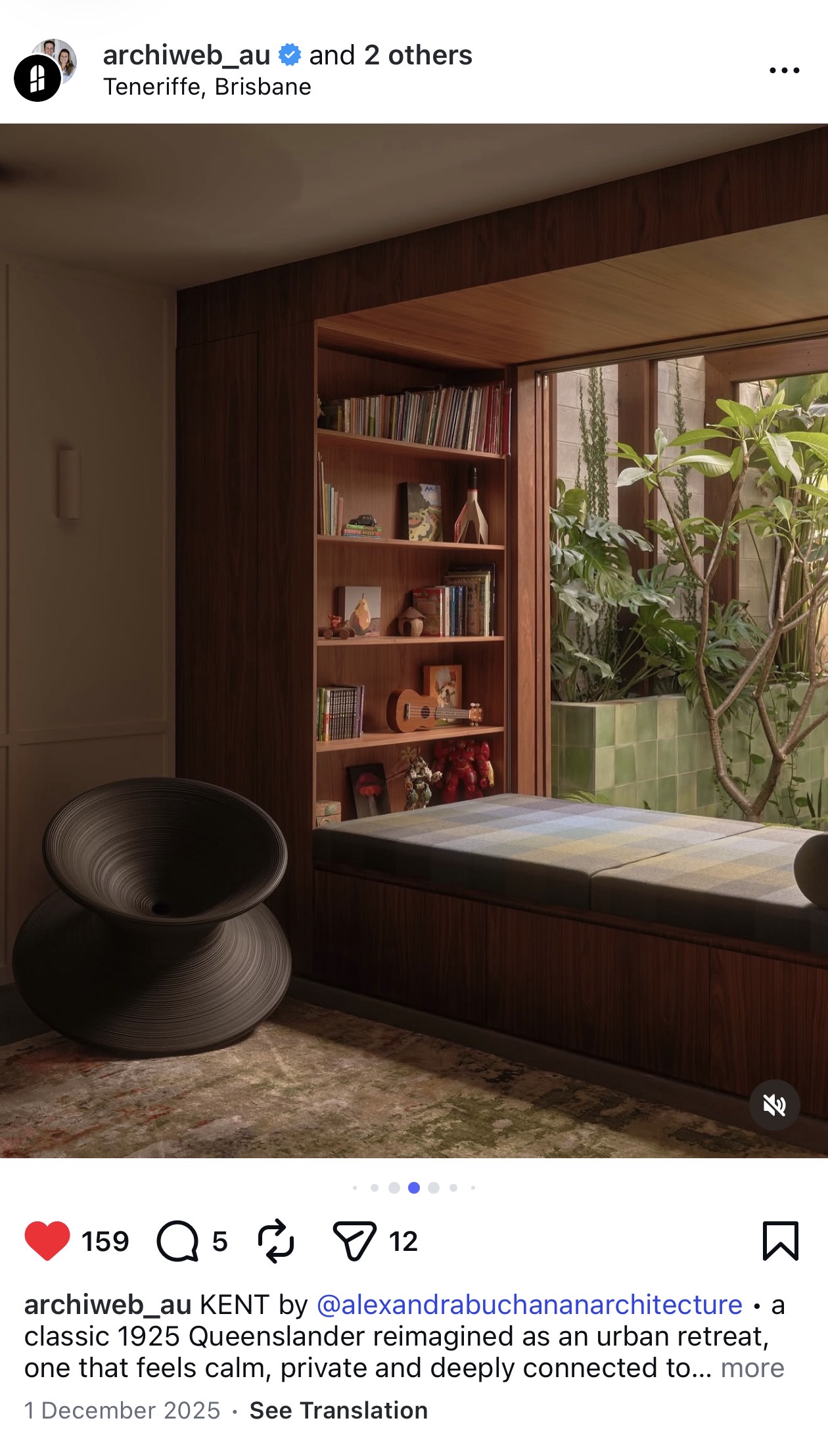
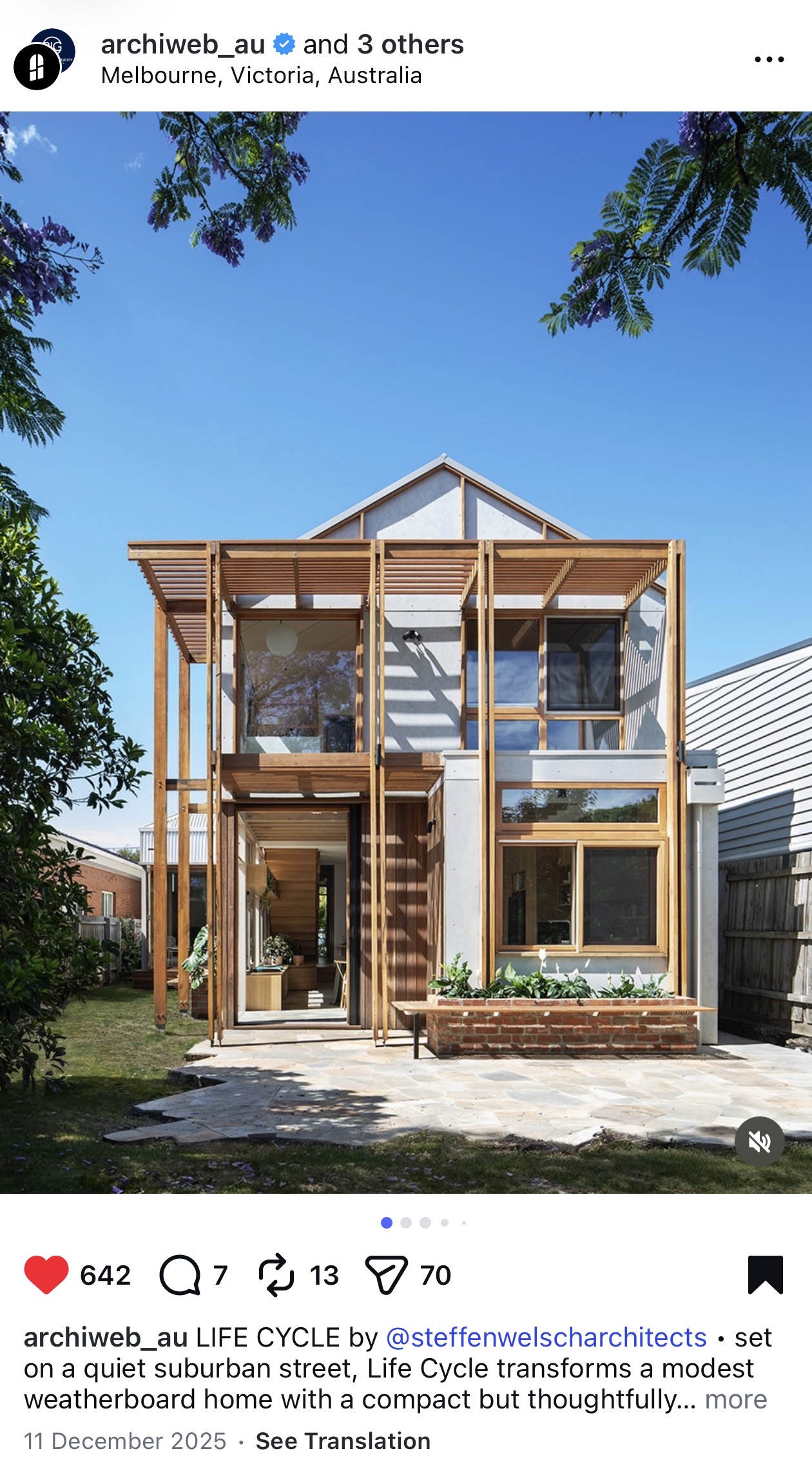
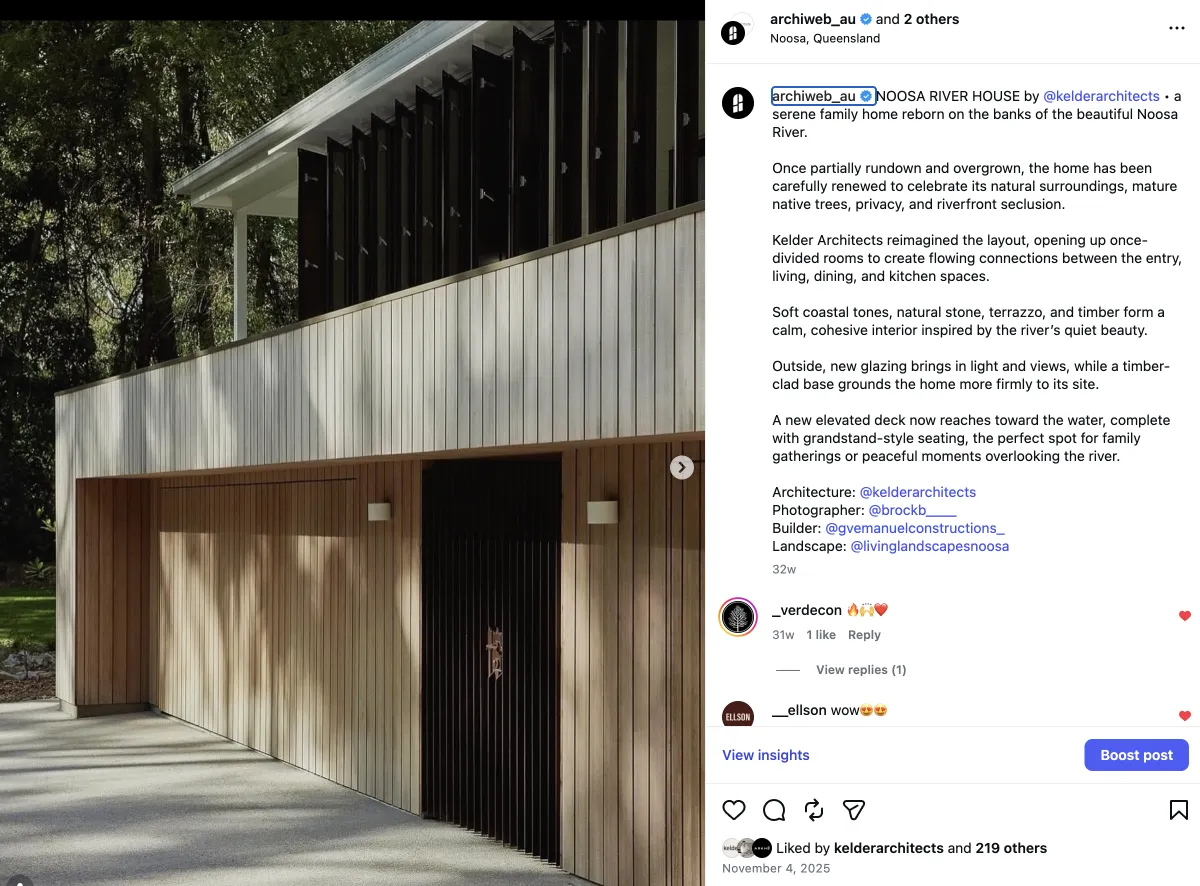
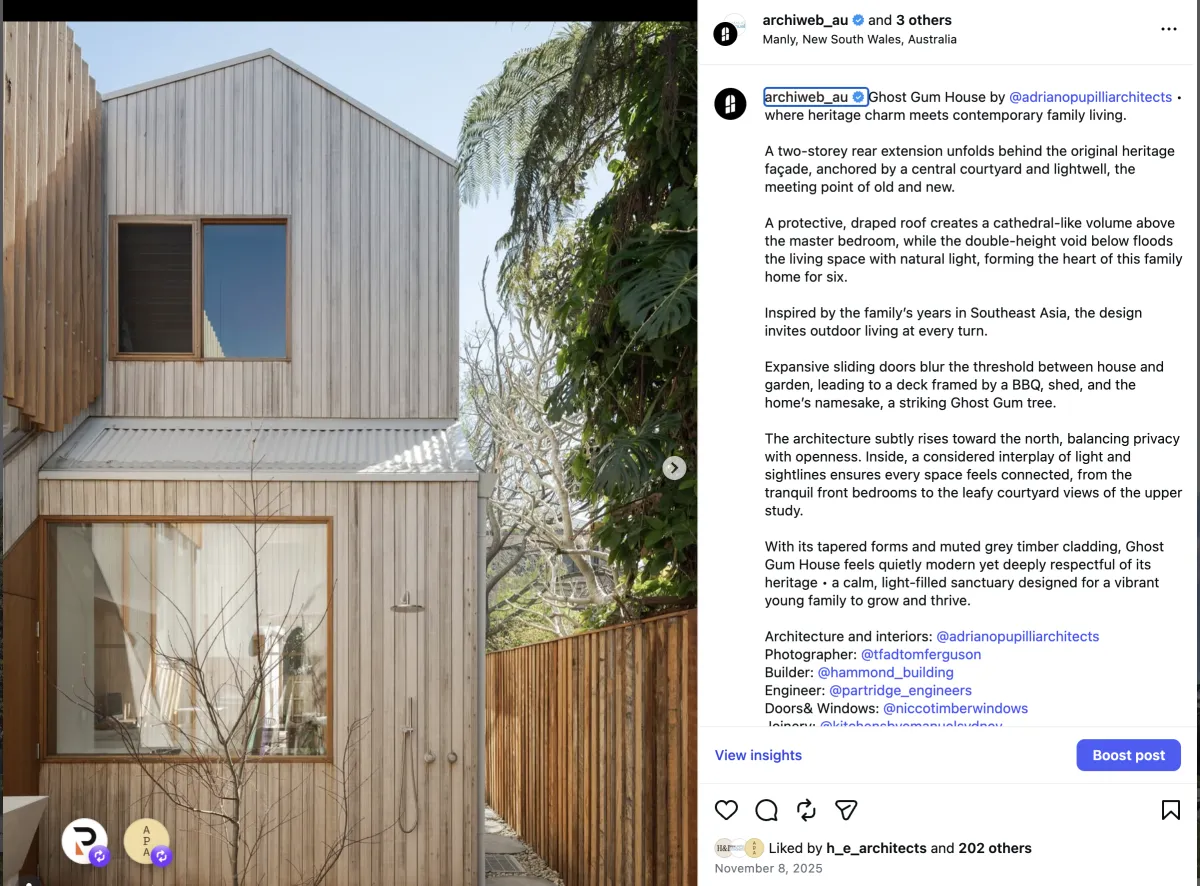
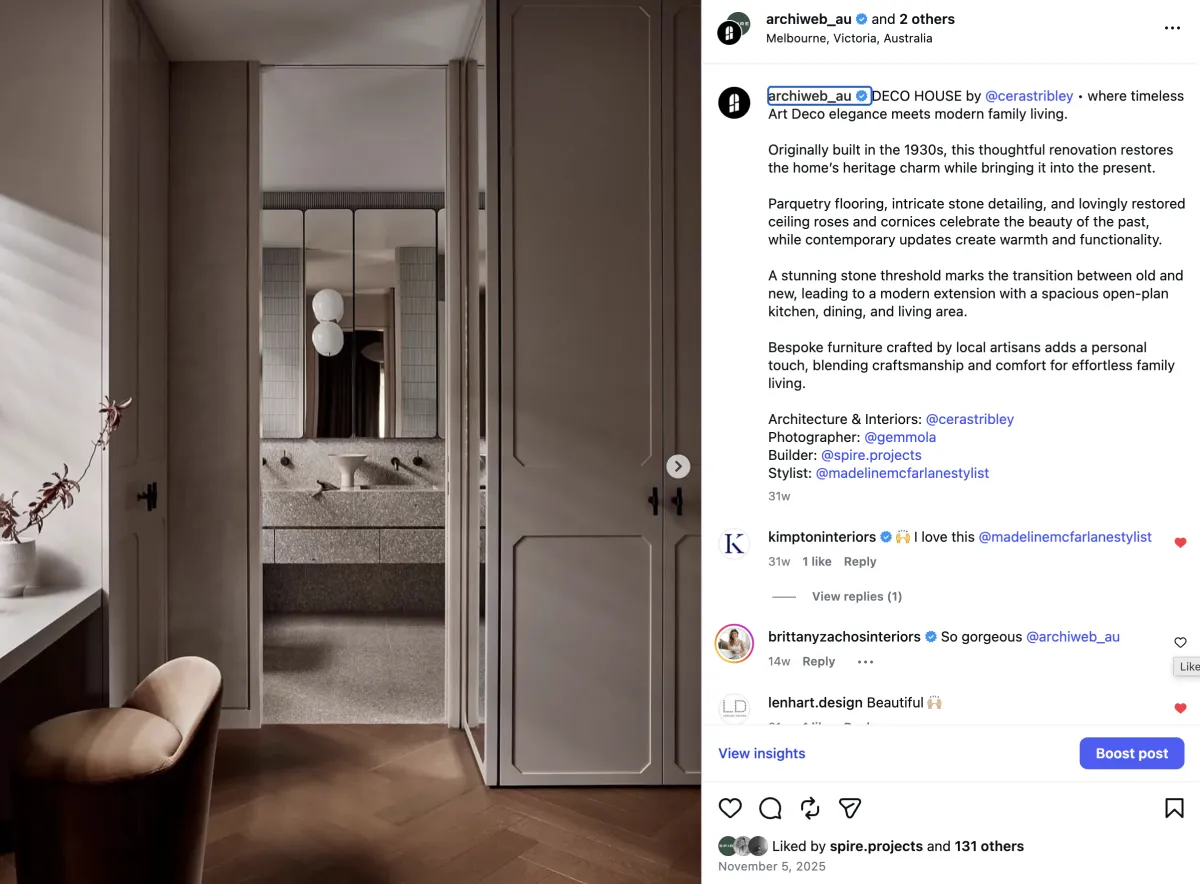
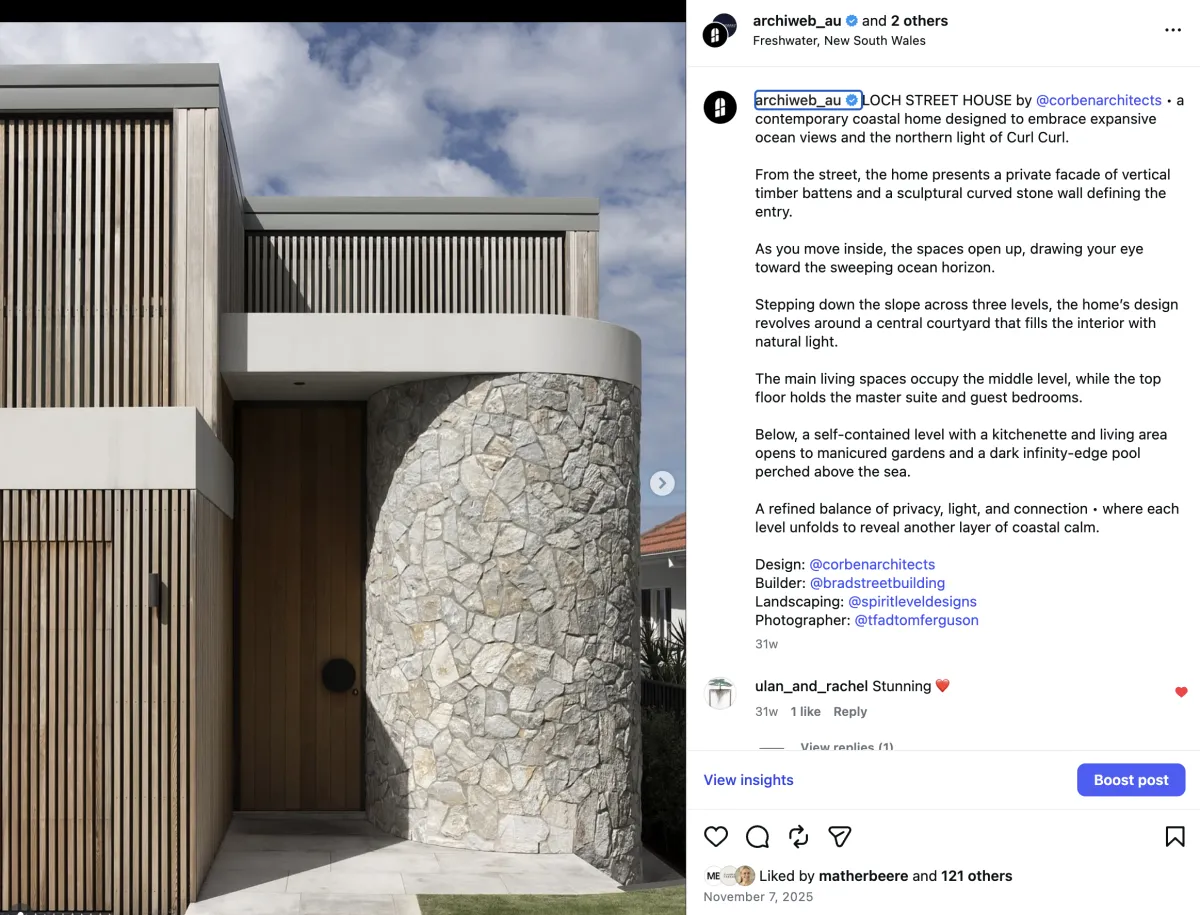
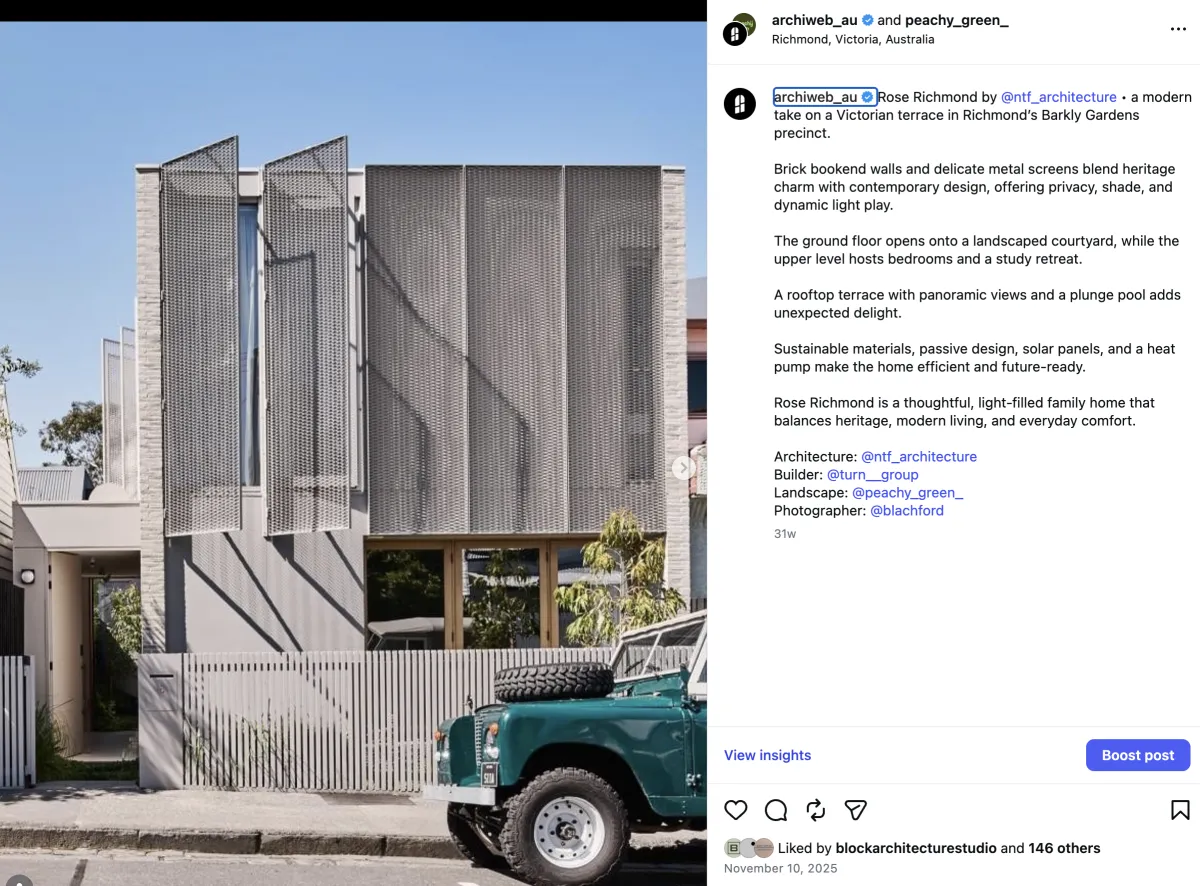
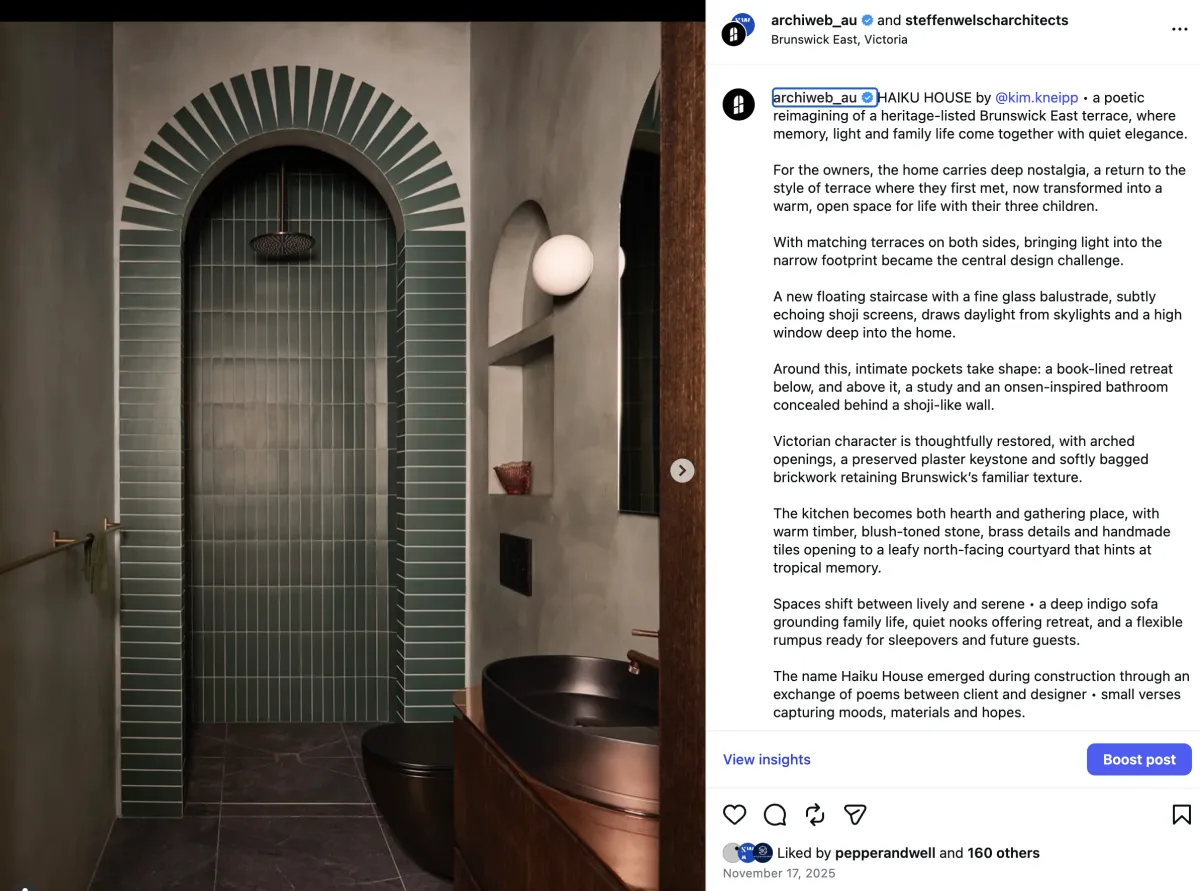
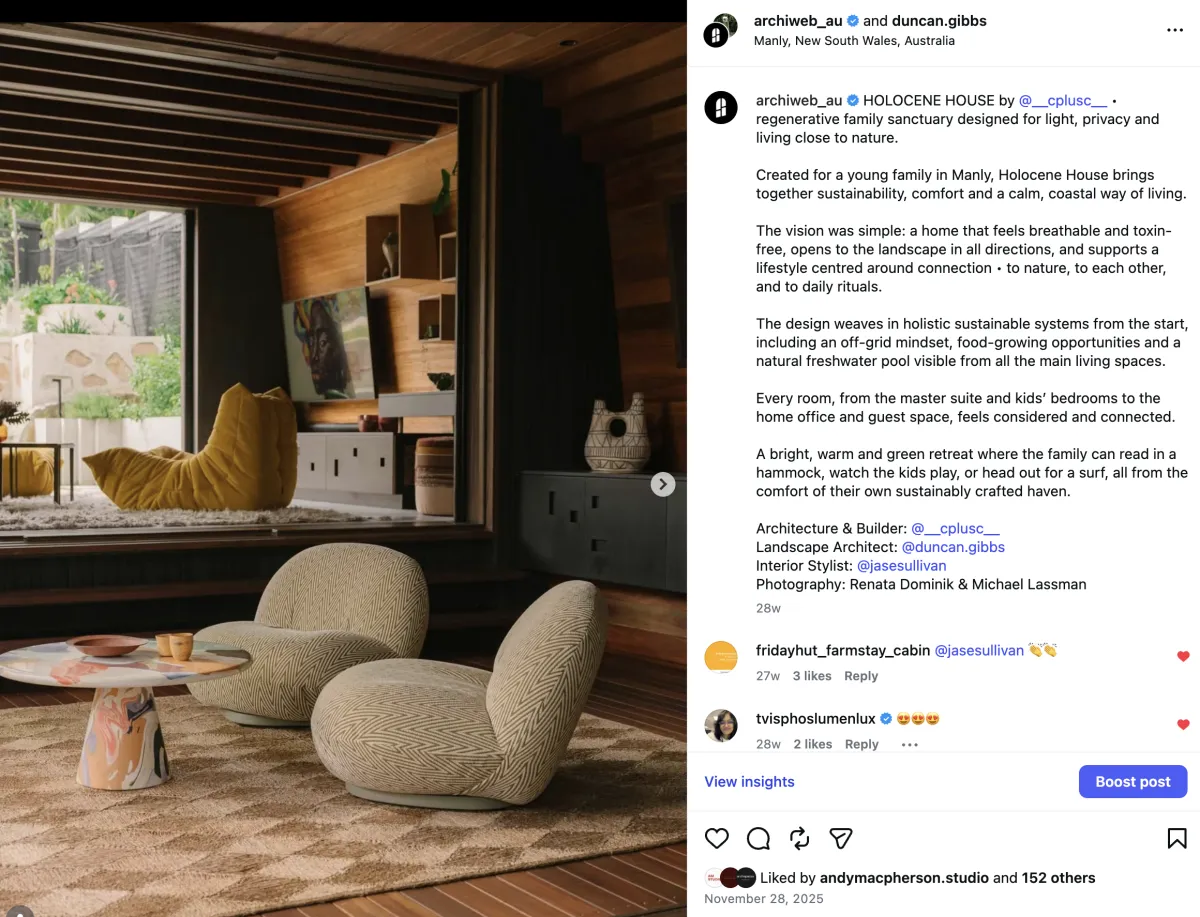
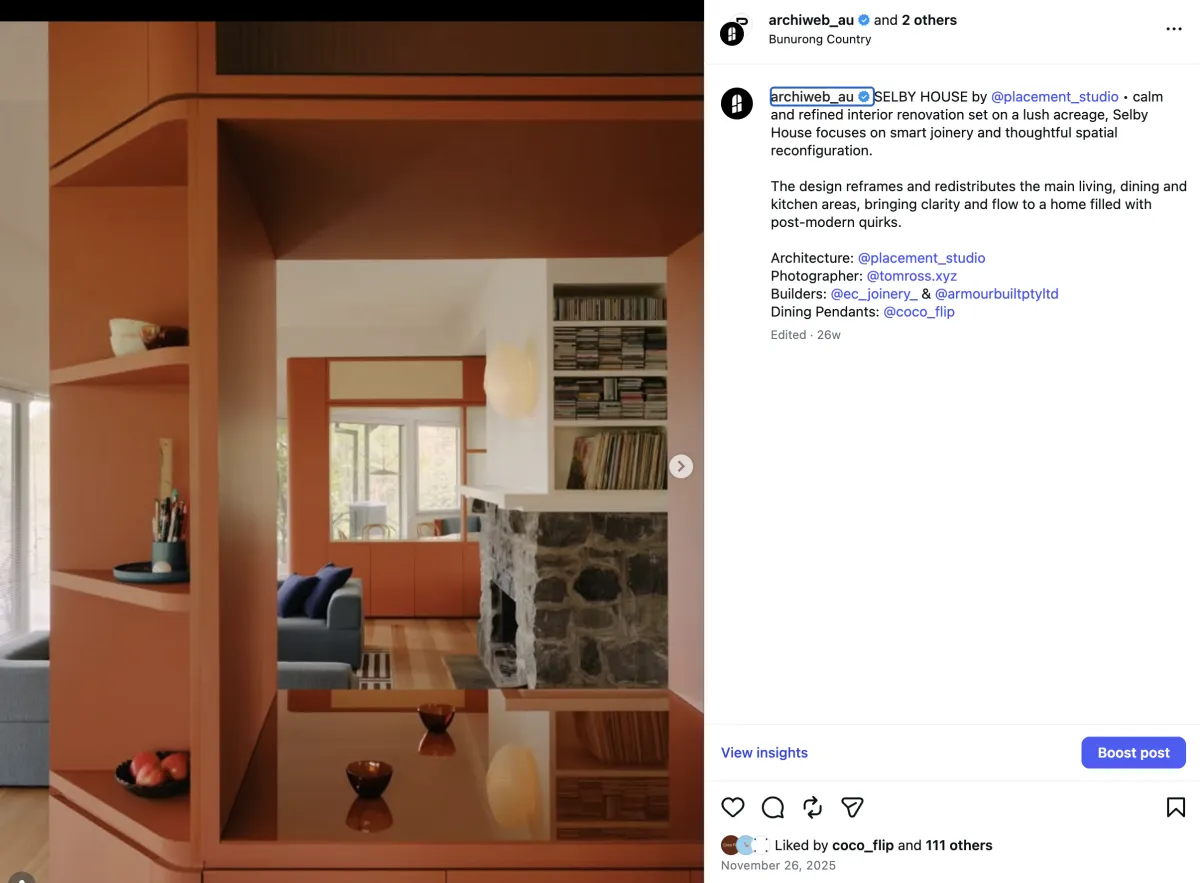
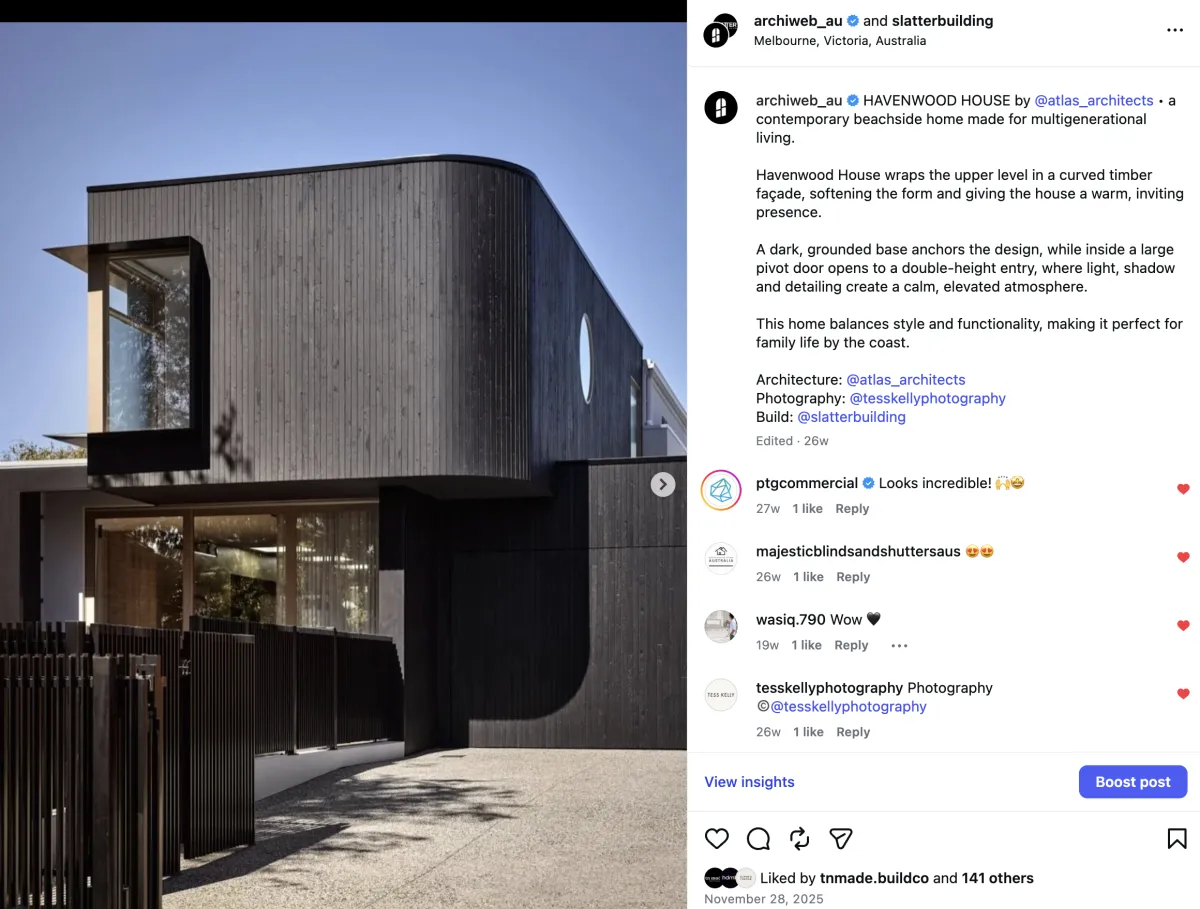
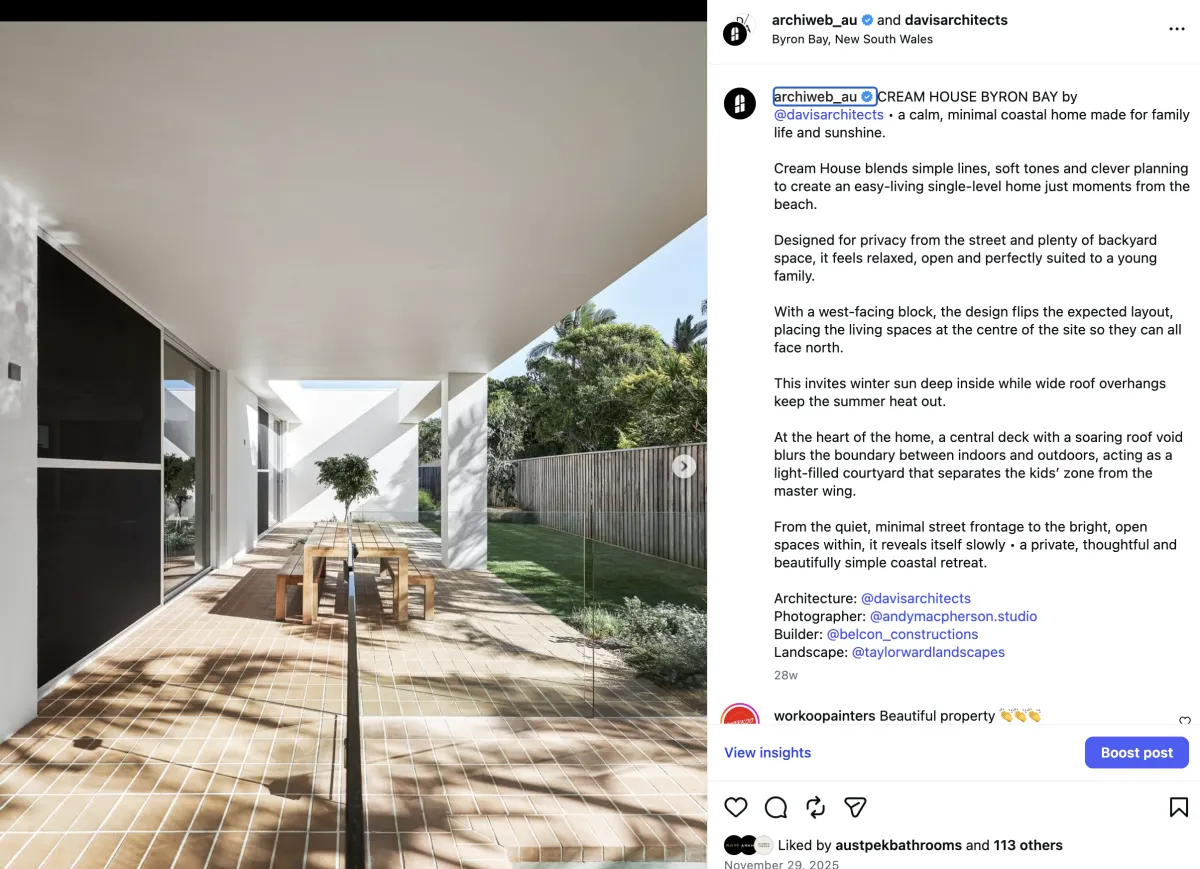
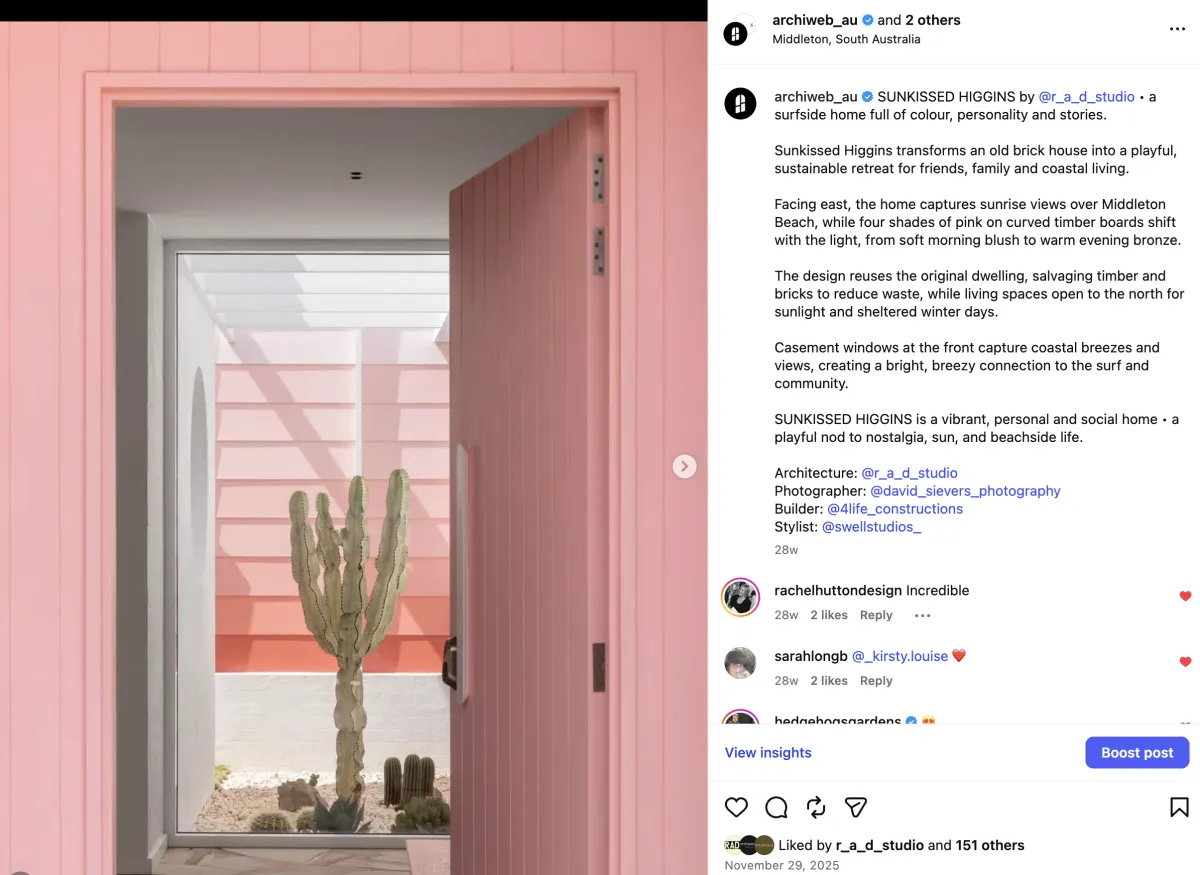
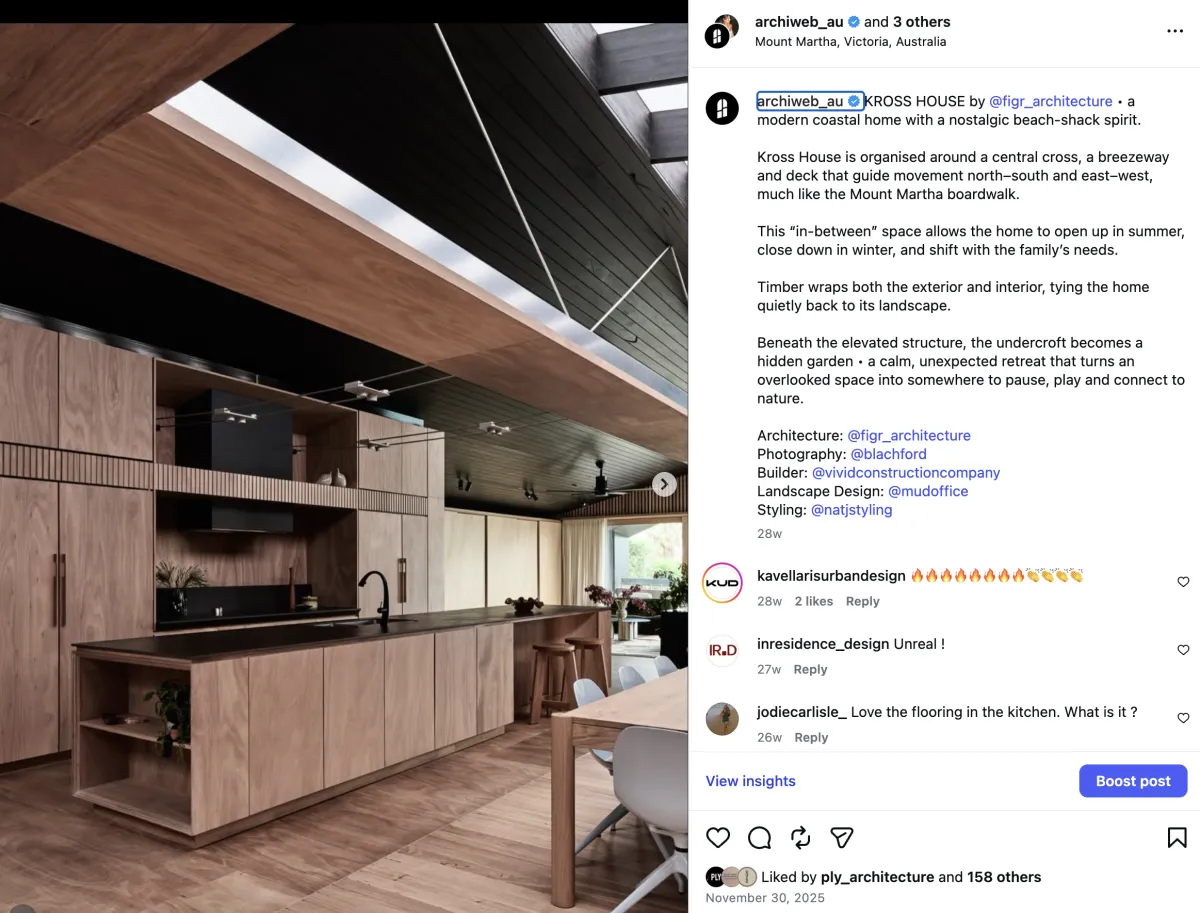
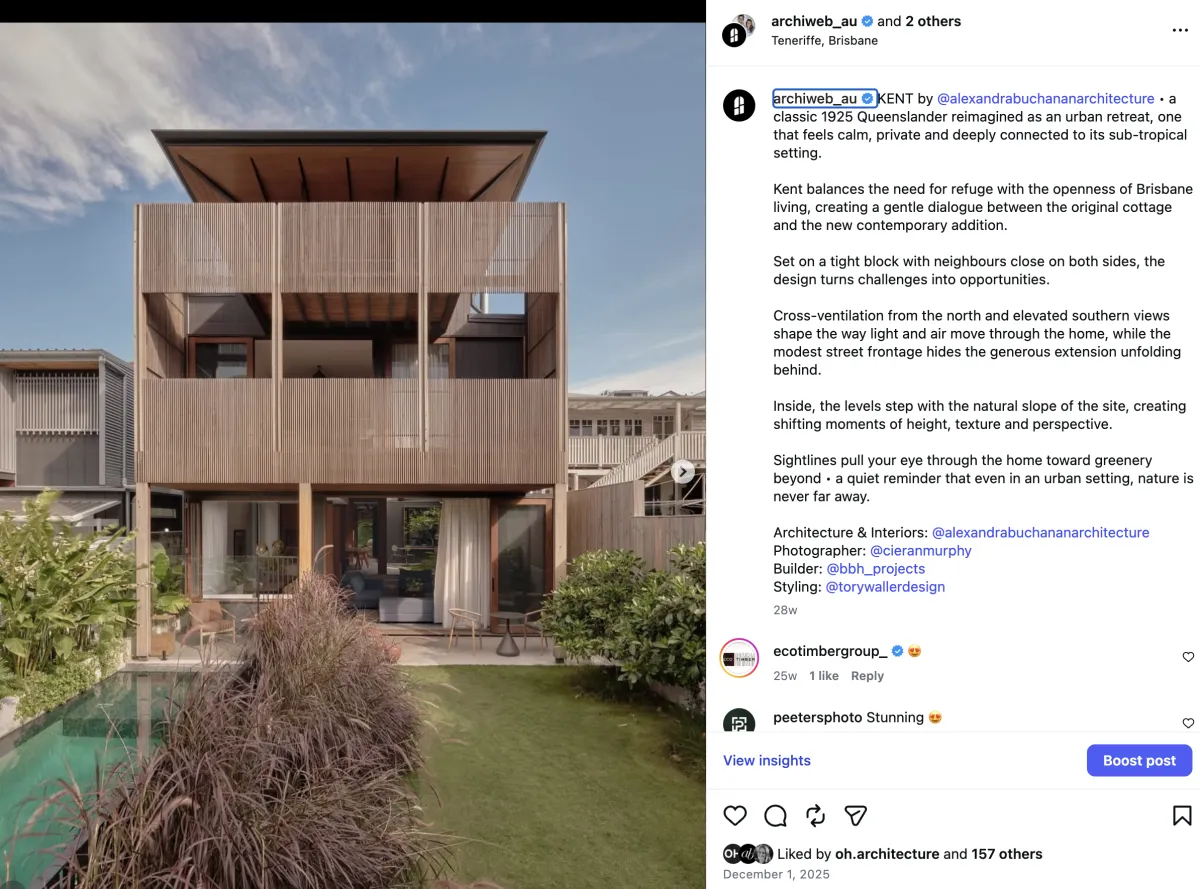
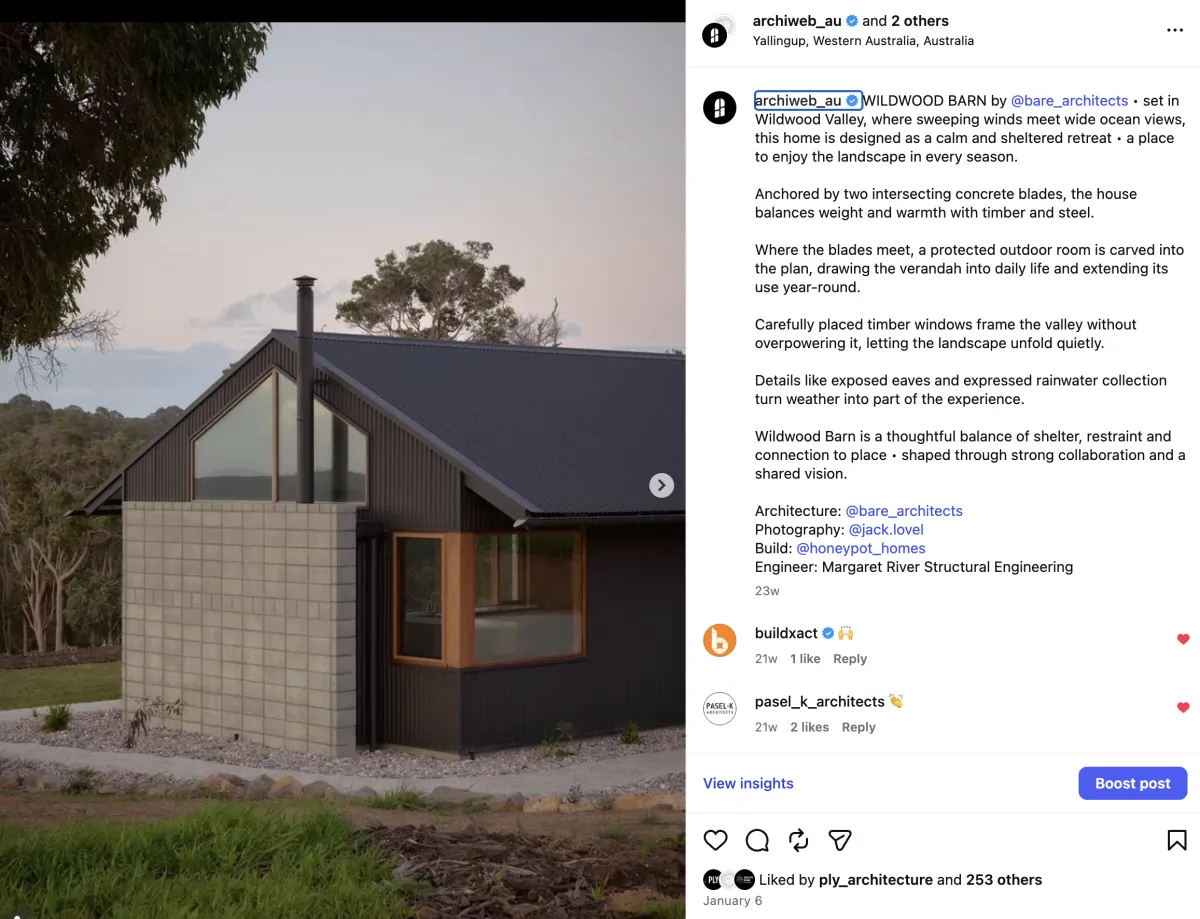
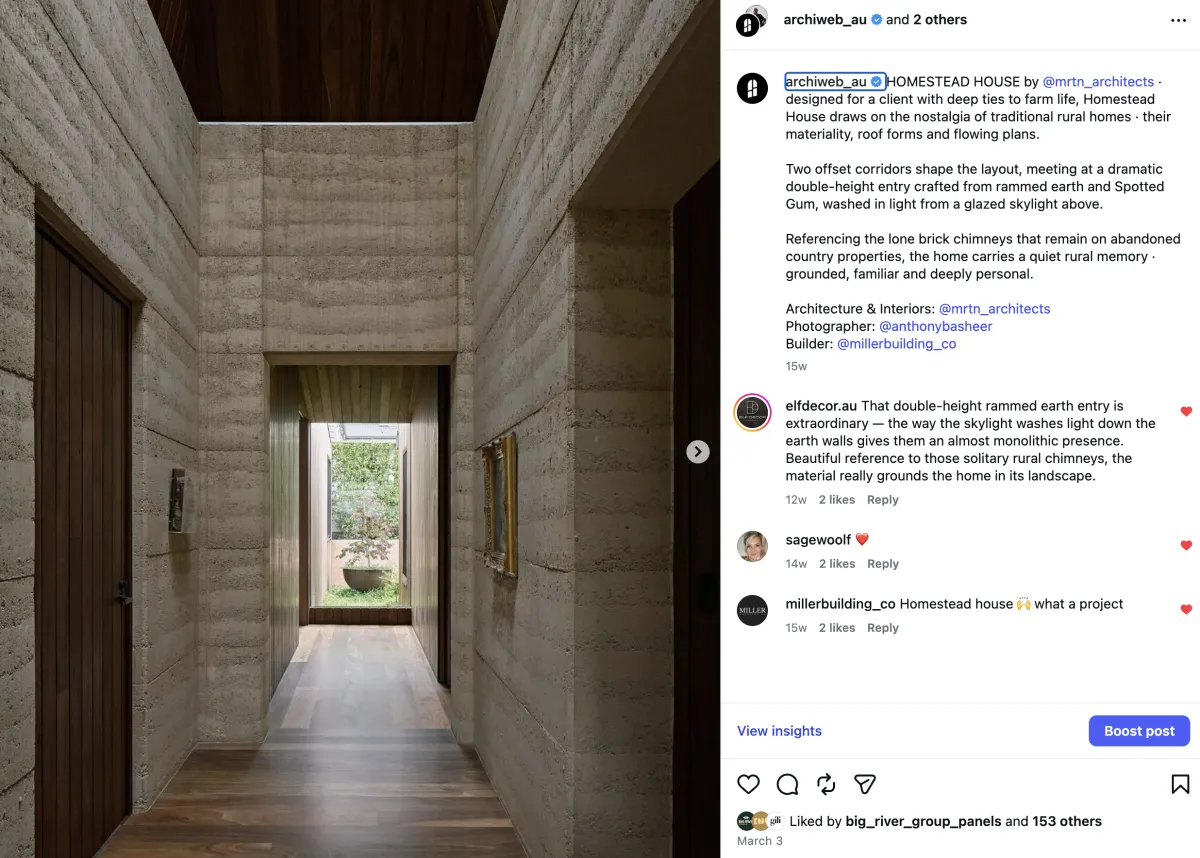
Collaborated with 50+ leading architecture studios across Australia
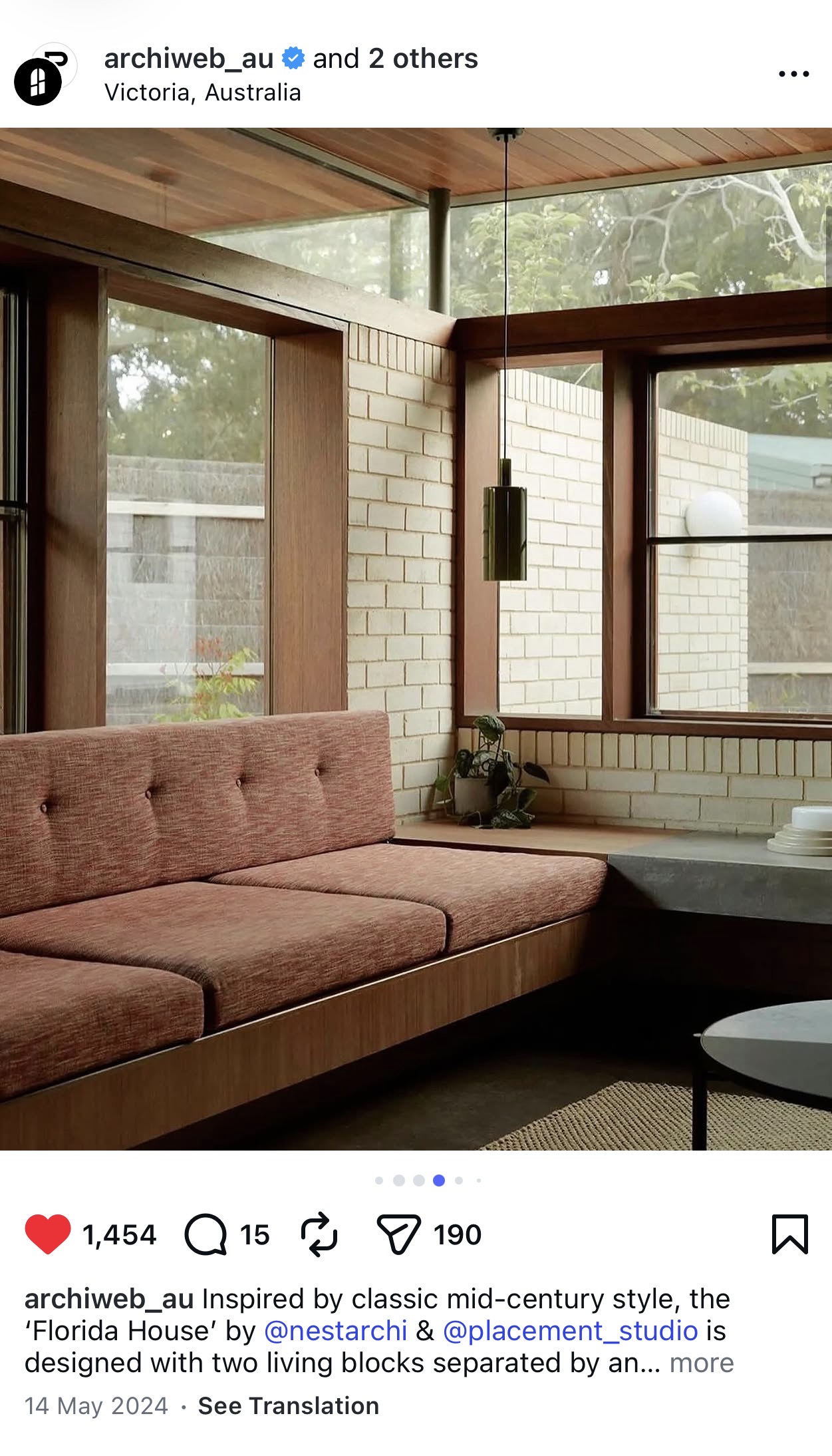
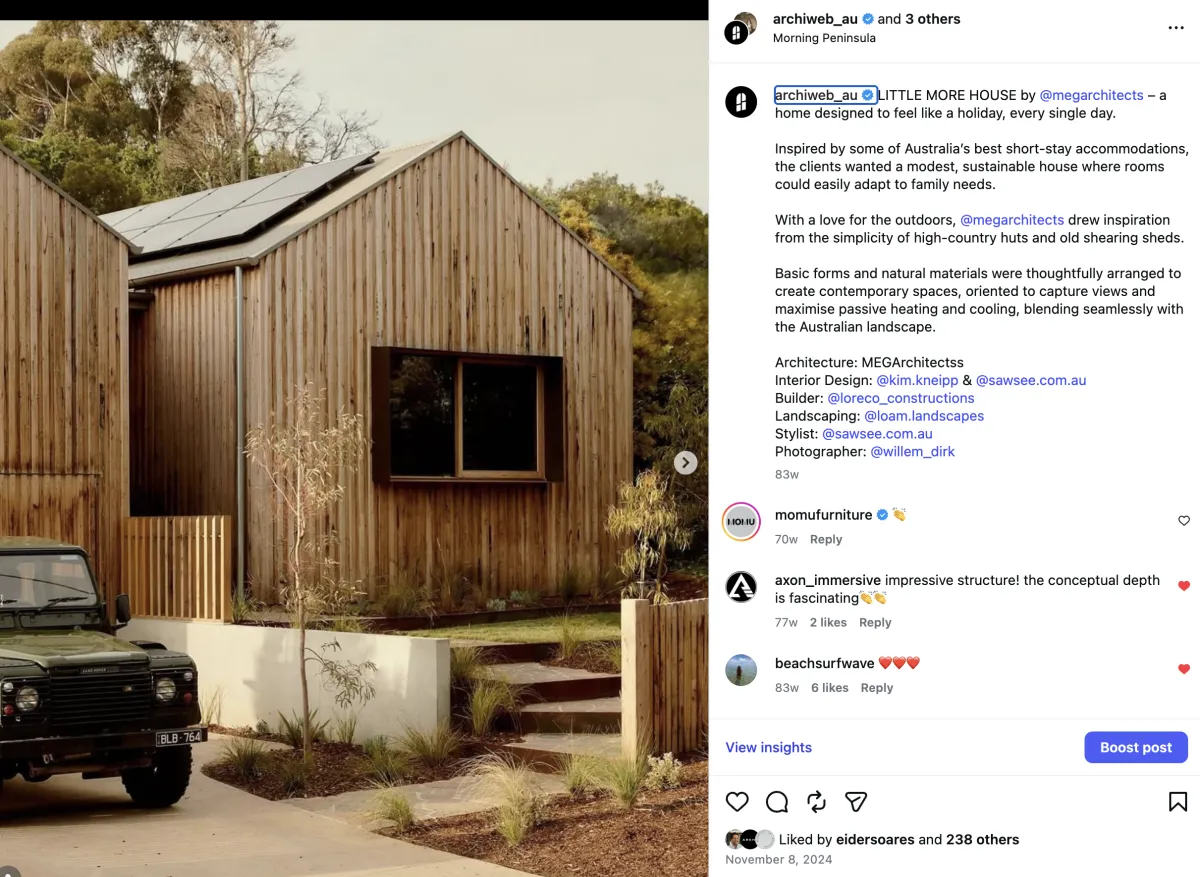
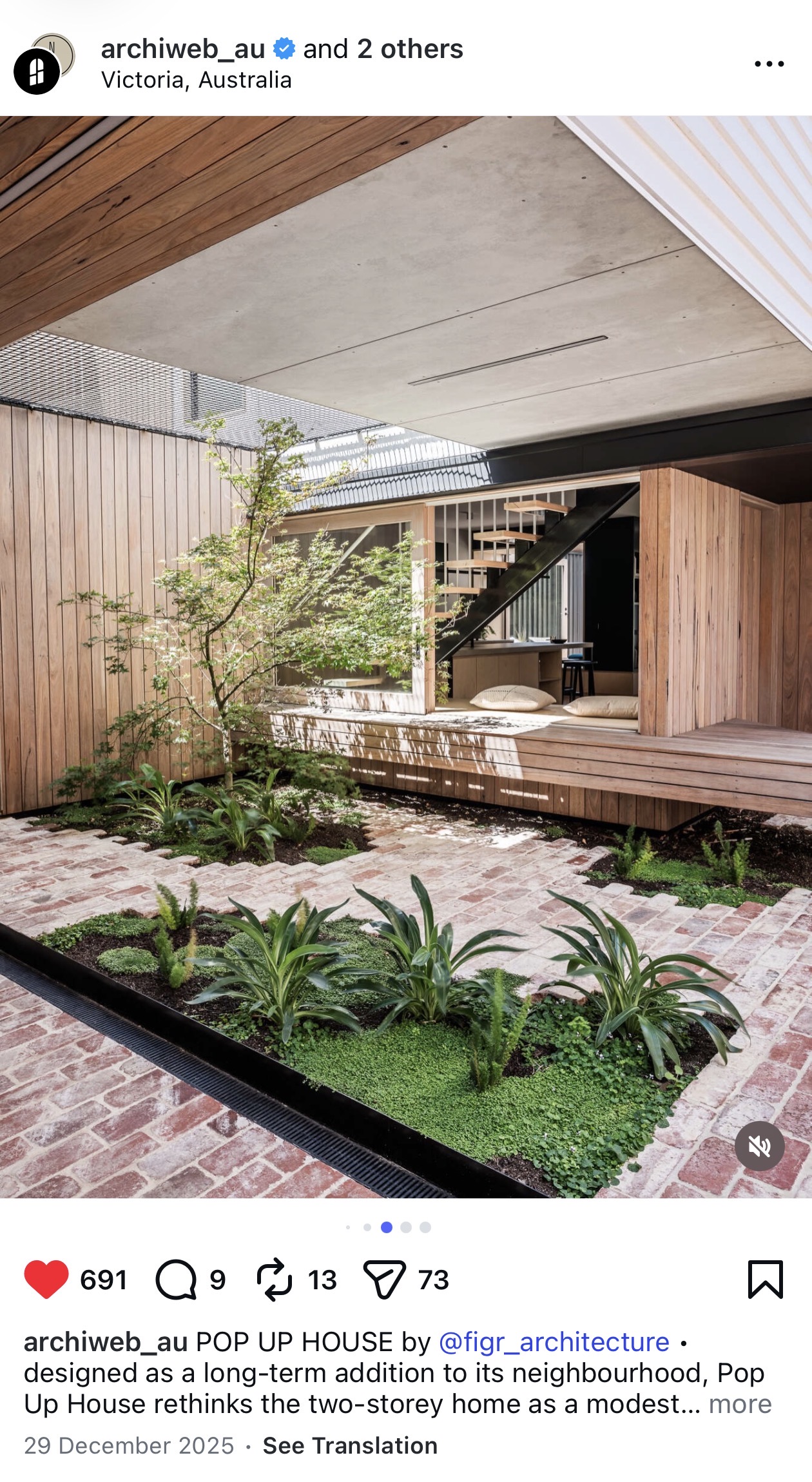
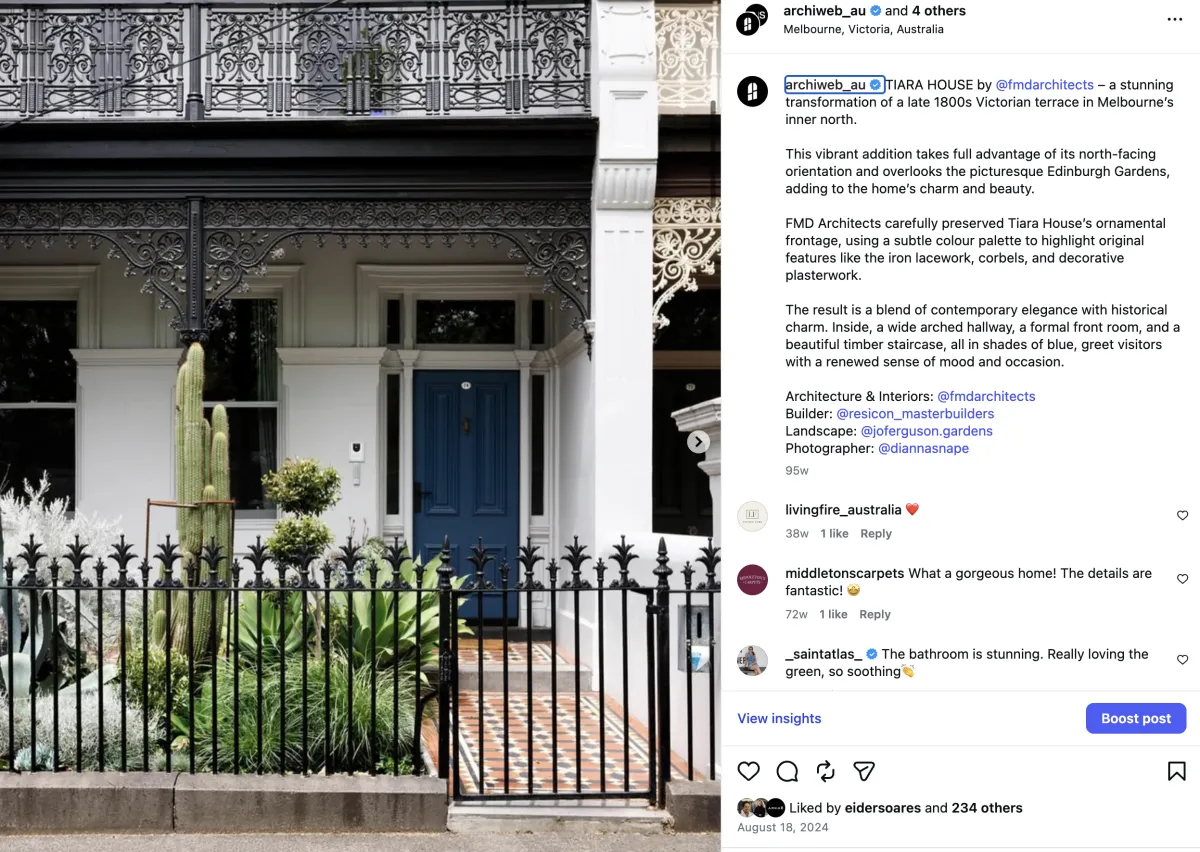
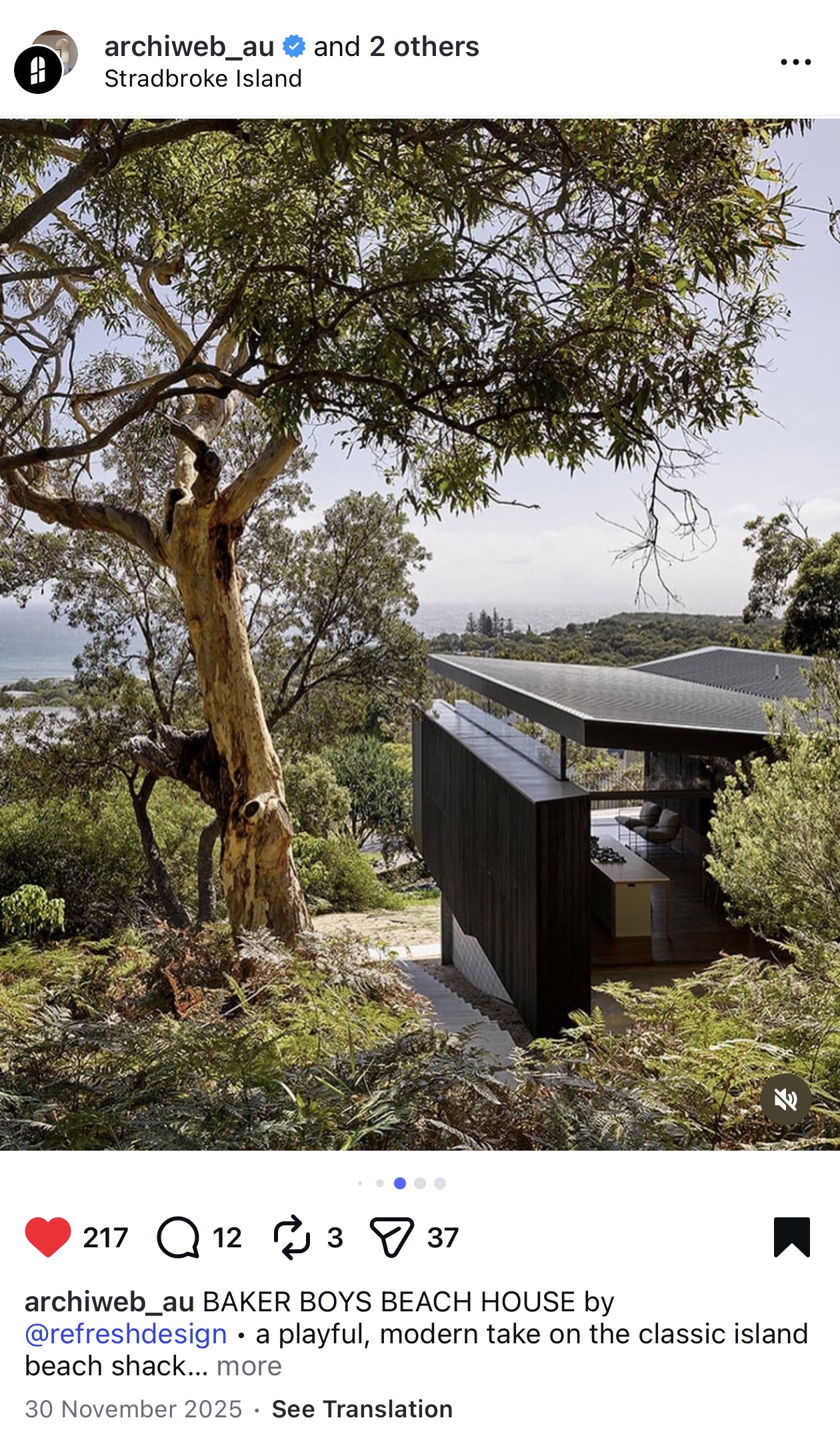
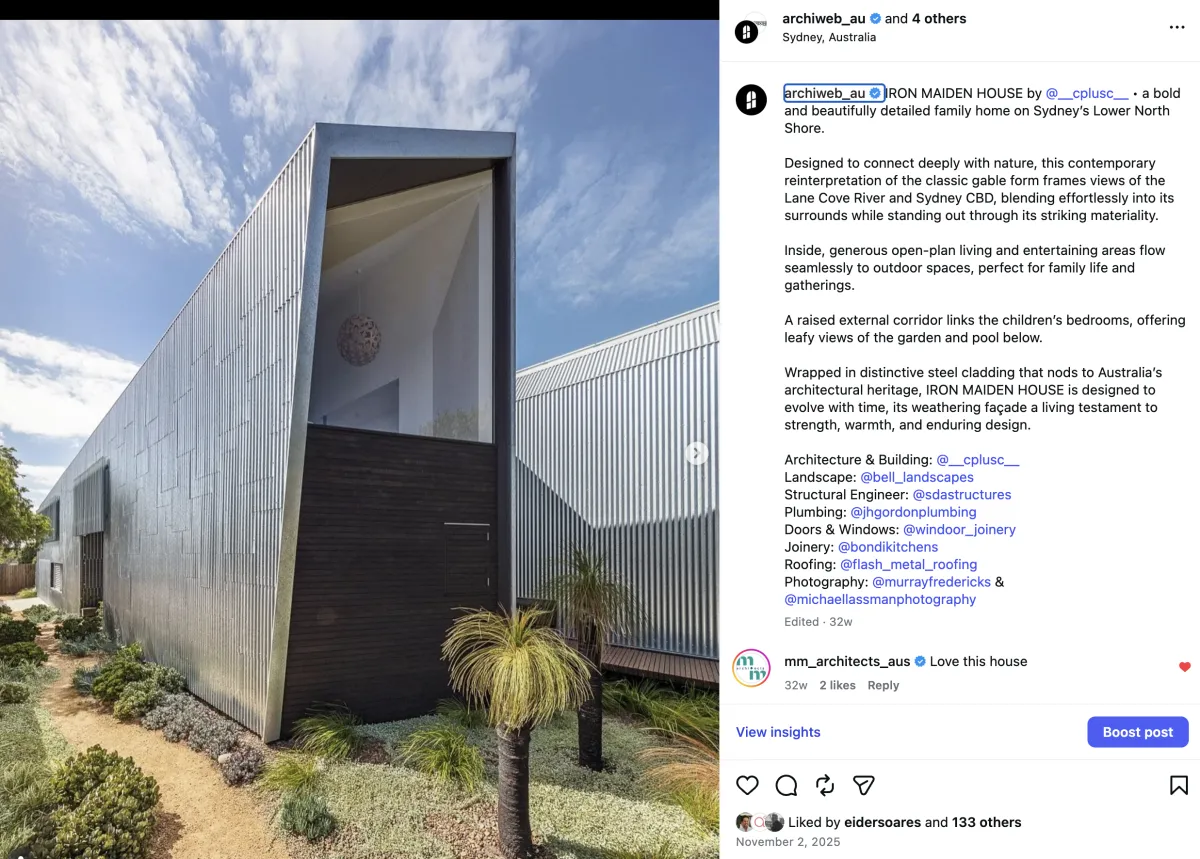
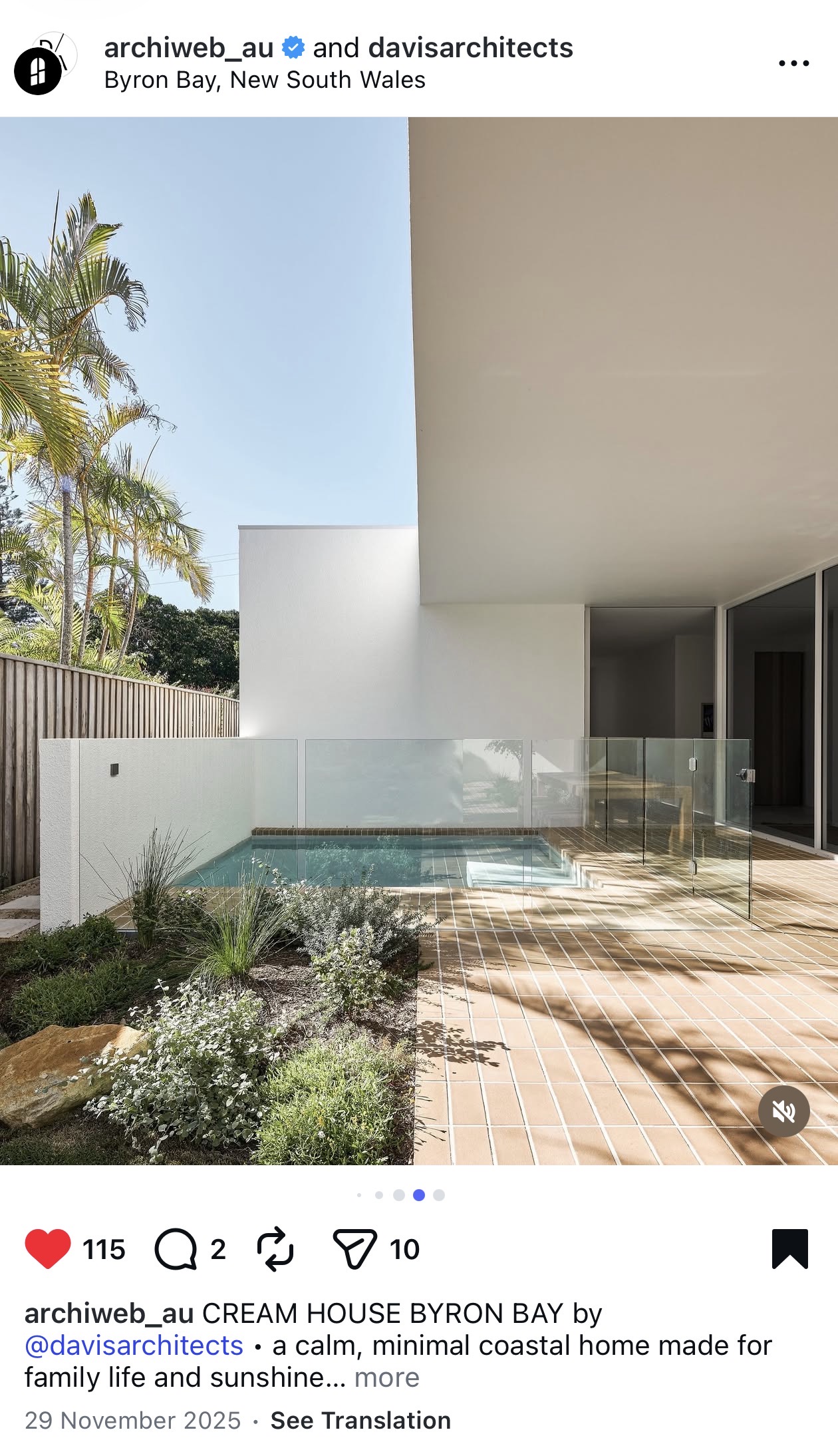
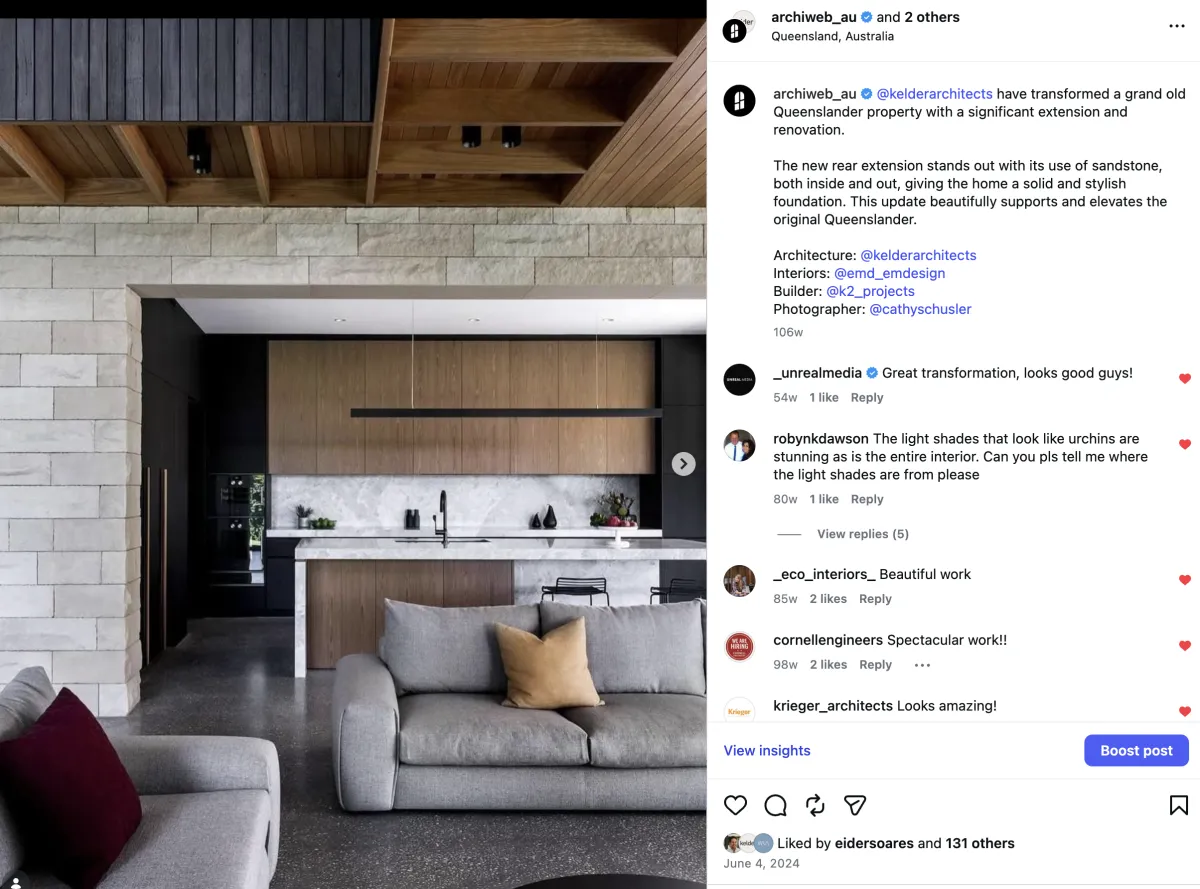
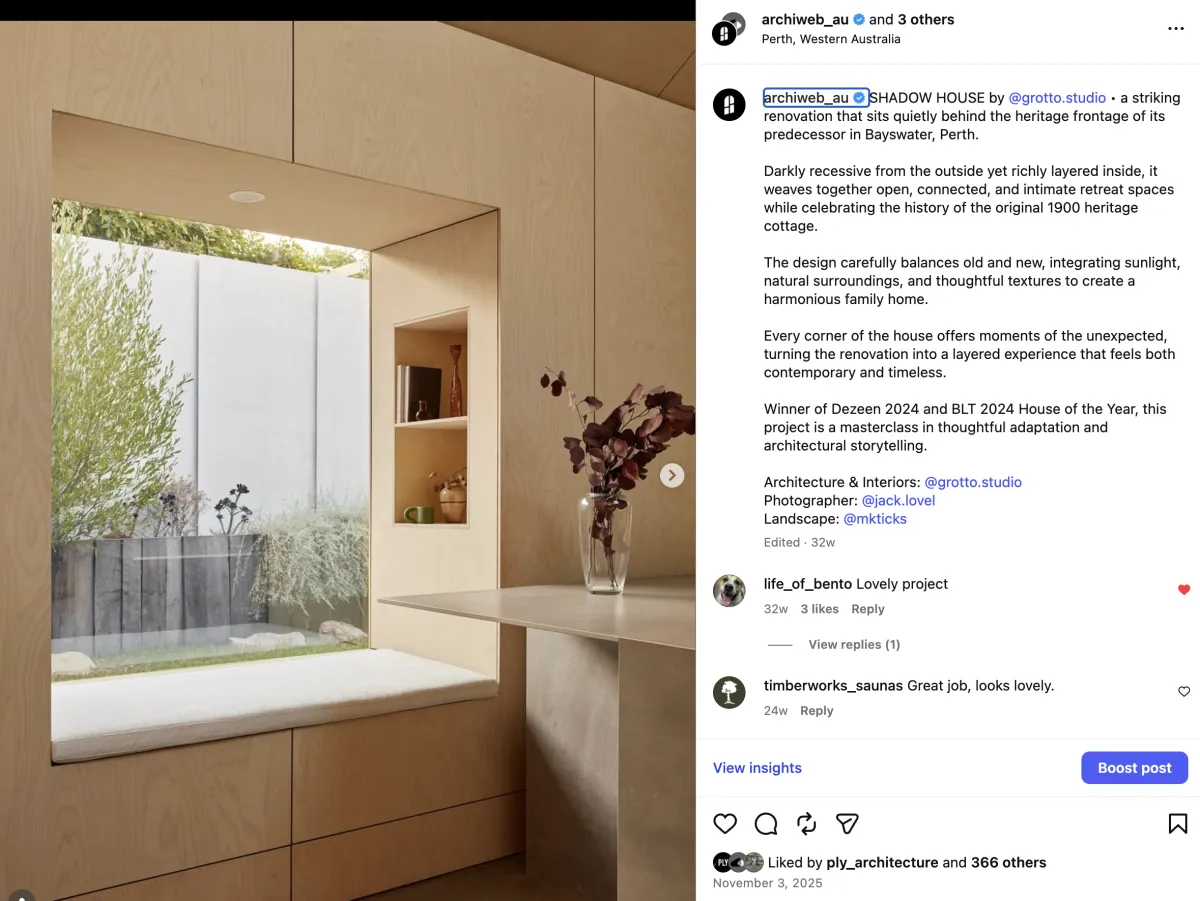
MEET THE FOUNDER & CEO
Eider Soares
For a long time, I believed great work would simply speak for itself.
Working inside one of Sydney’s respected architecture firms seemed to prove that true, until it didn’t.
The practice had an exceptional reputation, high standards and fair fees. Yet almost all new work came through word‑of‑mouth. When referrals slowed, so did projects. People in operations were let go. Hours were cut. The quality of the work hadn’t changed. The way it was perceived had.
It became clear: if positioning and messaging aren’t deliberate, even the best studios end up competing on price, not value.
ArchiWeb exists so that doesn’t happen.
Collaborated with 50+ leading architecture studios around Australia
2M+ monthly views in the architecture industry
Shaping how architecture studios are seen since 2023